




IP Ratings Explained: Dust and Water Resistance for Mice
Covers IP5X vs. IP6X dust ratings, water test limitations, mechanical vulnerabilities, and the impact of sealing on high-polling-rate performance.

Country
Language
Explore practical buying guides, setup ideas, and product tips from the latest articles.
Featured
Covers IP5X vs. IP6X dust ratings, water test limitations, mechanical vulnerabilities, and the impact of sealing on high-polling-rate performance.

Covers reversible adsorption, viscoelastic damping, polymer plasticization, and practical solutions for gamers in humid climates.

Covers humidity control, contact cleaners, dielectric grease application, and hardware selection like gold-plated connectors and acrylic shields.

Covers thermal modeling, the 13 vs 36-hour runtime effect, the 20-80% charging rule, and ventilation cleaning for up to 8°C cooling.
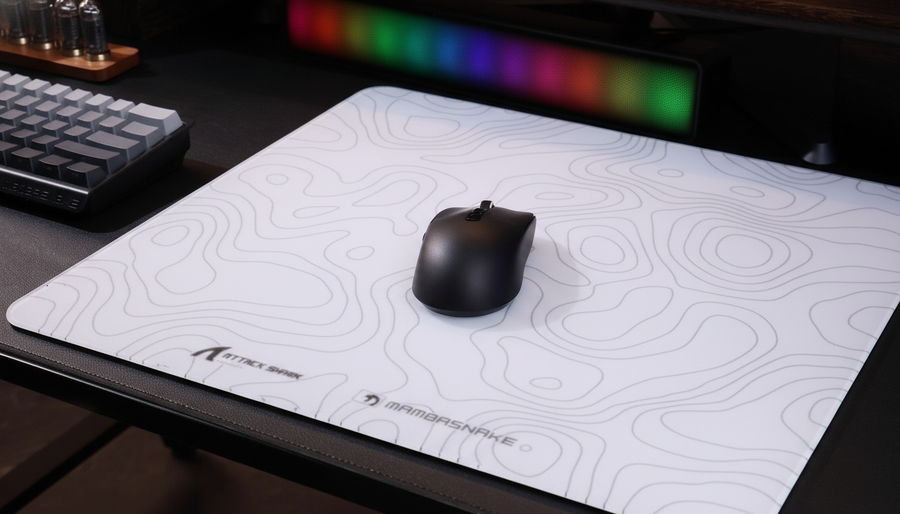
A technical guide explaining how mouse pad material, weave patterns, and thread density affect friction, sensor accuracy, and aim consistency for g...

Covers wireless protocols, 8000Hz polling calculations, environmental interference, and system bottlenecks for high-performance gaming mice.
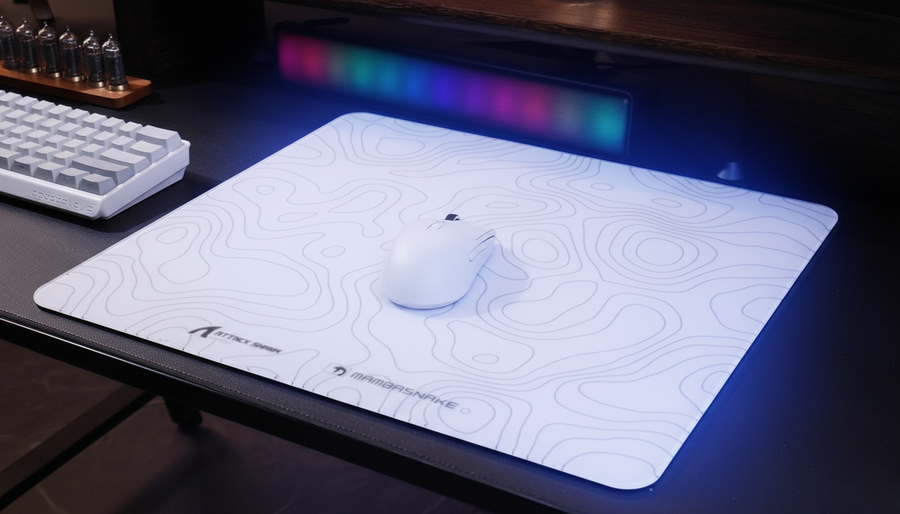
Covers material science, humidity thresholds, cleaning protocols, and a comparison of cloth, hybrid, and hard surfaces for durability.

Covers click latency, 8K polling impact, switch physics, and safety certifications for optimizing performance in different game genres.

Covers sensor saturation, CPU/USB bottlenecks, and troubleshooting to achieve stable 8K performance and close the specification credibility gap.
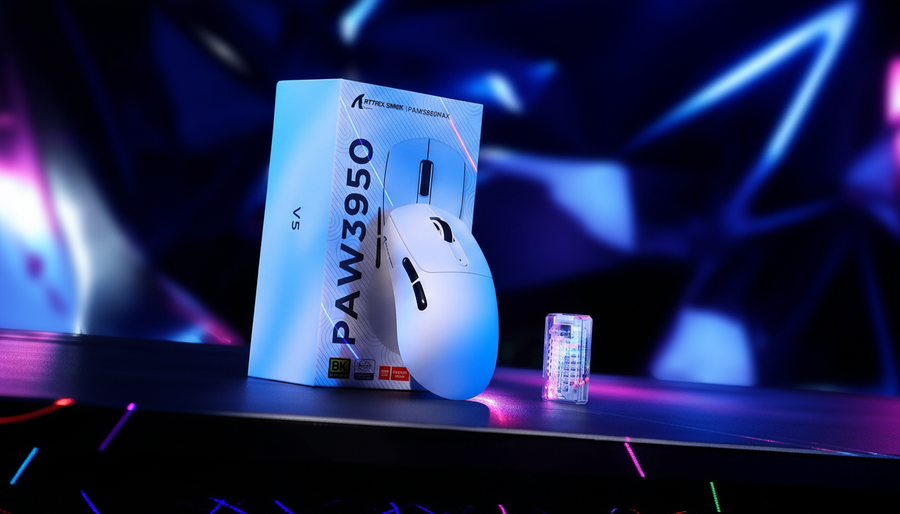
Covers sensor metrics, 800-1600 DPI sweet spot, 8K polling latency, and comparisons of PixArt PAW3311, 3395, and 3950 sensors.
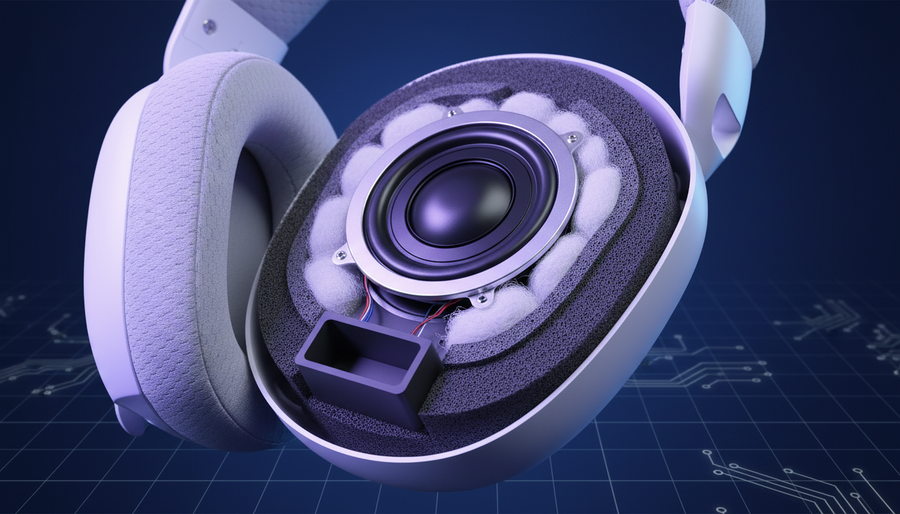
A guide to acoustic engineering for gaming headset bass. Learn how sound chamber design, port sizing, and earpad seals impact audio fidelity beyond...
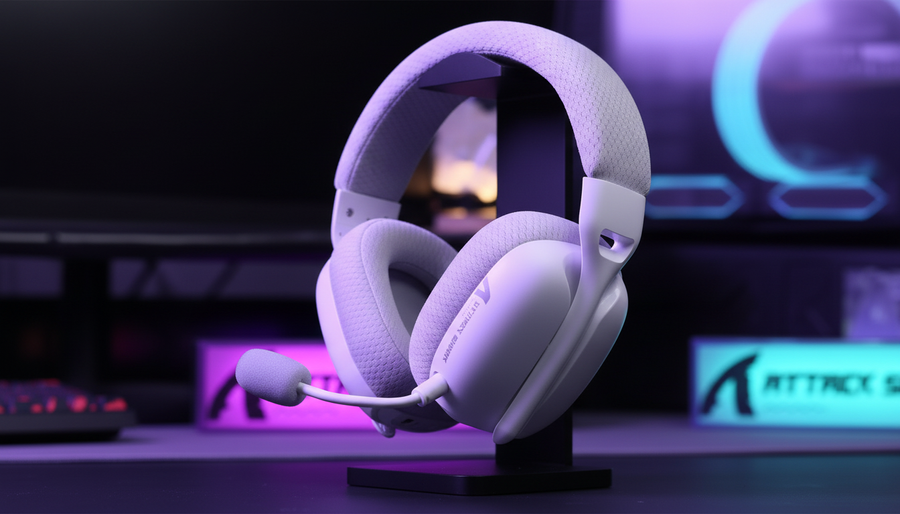
Covers frequency response tolerances, dynamic load testing, DPI calculations, and polling rate trade-offs based on industry standards.

Examines driver size trade-offs, acoustic chamber design, damping materials like Poron foam, and ergonomics for FPS gaming clarity.
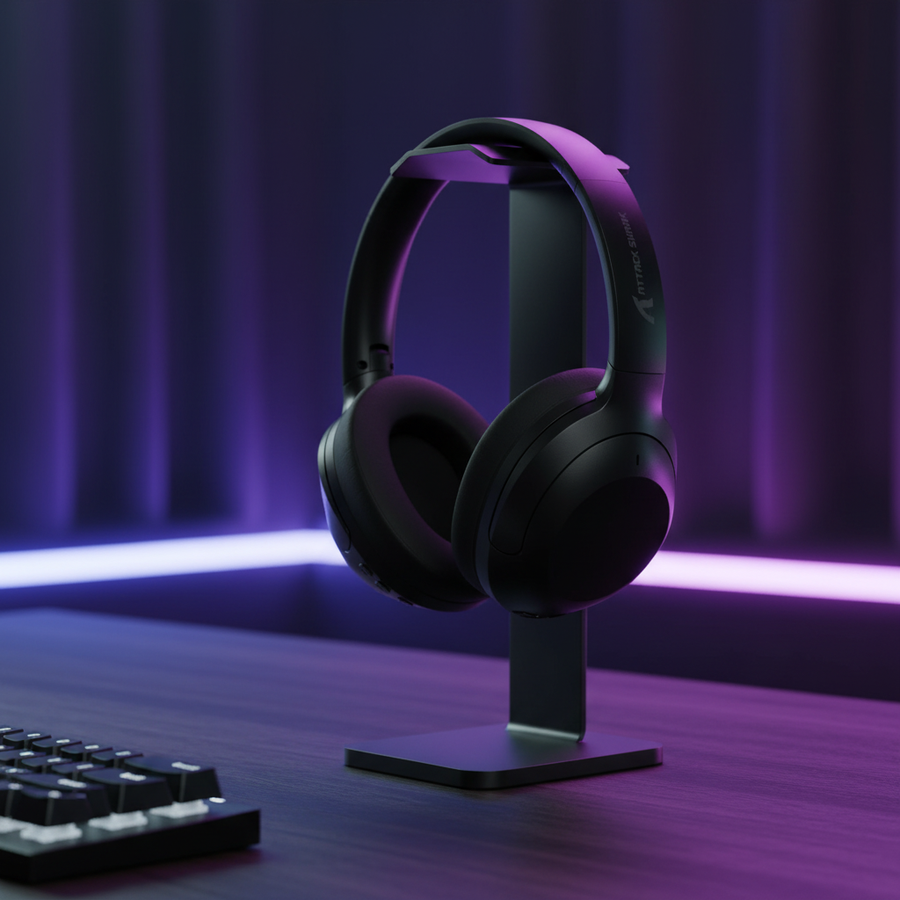
Covers material rigidity, magnetic flux, acoustic tuning, and safety standards for value-oriented gamers.

Covers earpad materials, acoustic seal testing, performance gaps from glasses, and ergonomics for extended use.
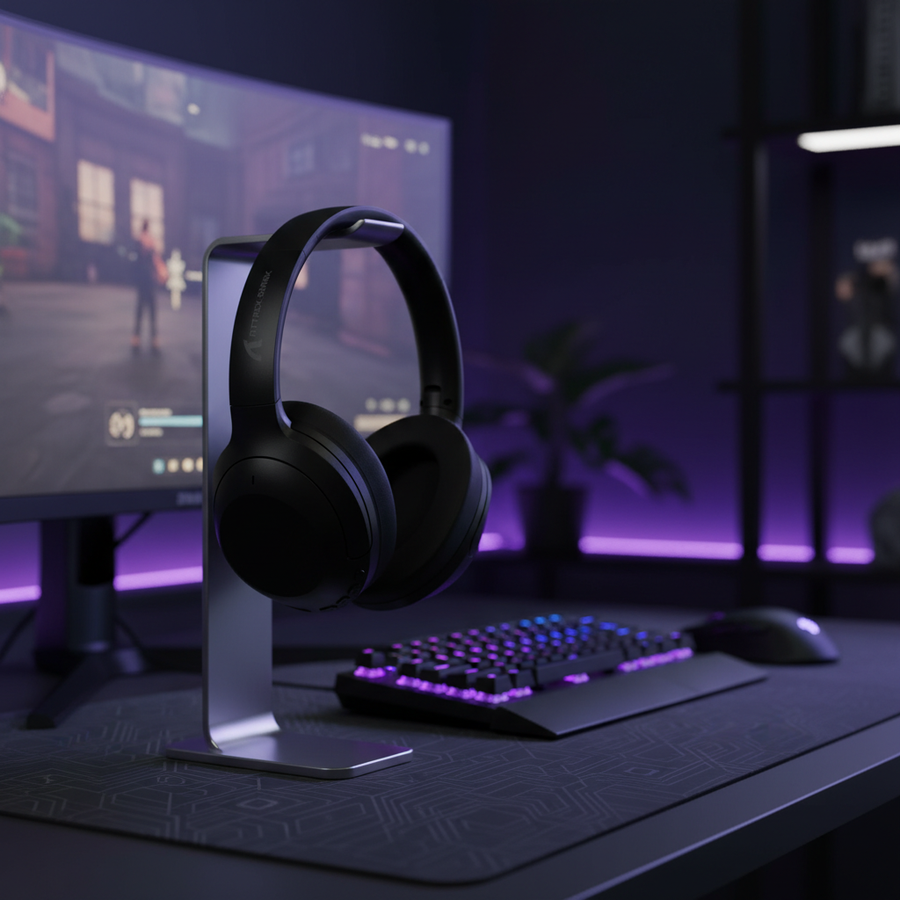
Covers the 85dB distortion cliff, driver size trade-offs, acoustic resonance, and how DAC/amps preserve signal integrity for competitive gaming.


