8000 HZ

Filters

Sort by
Product type
Brand
Connection Options
DPI
Weight
Filters
Sort by:
Product type
Brand
Connection Options
DPI
Weight

37 products

Save 14%
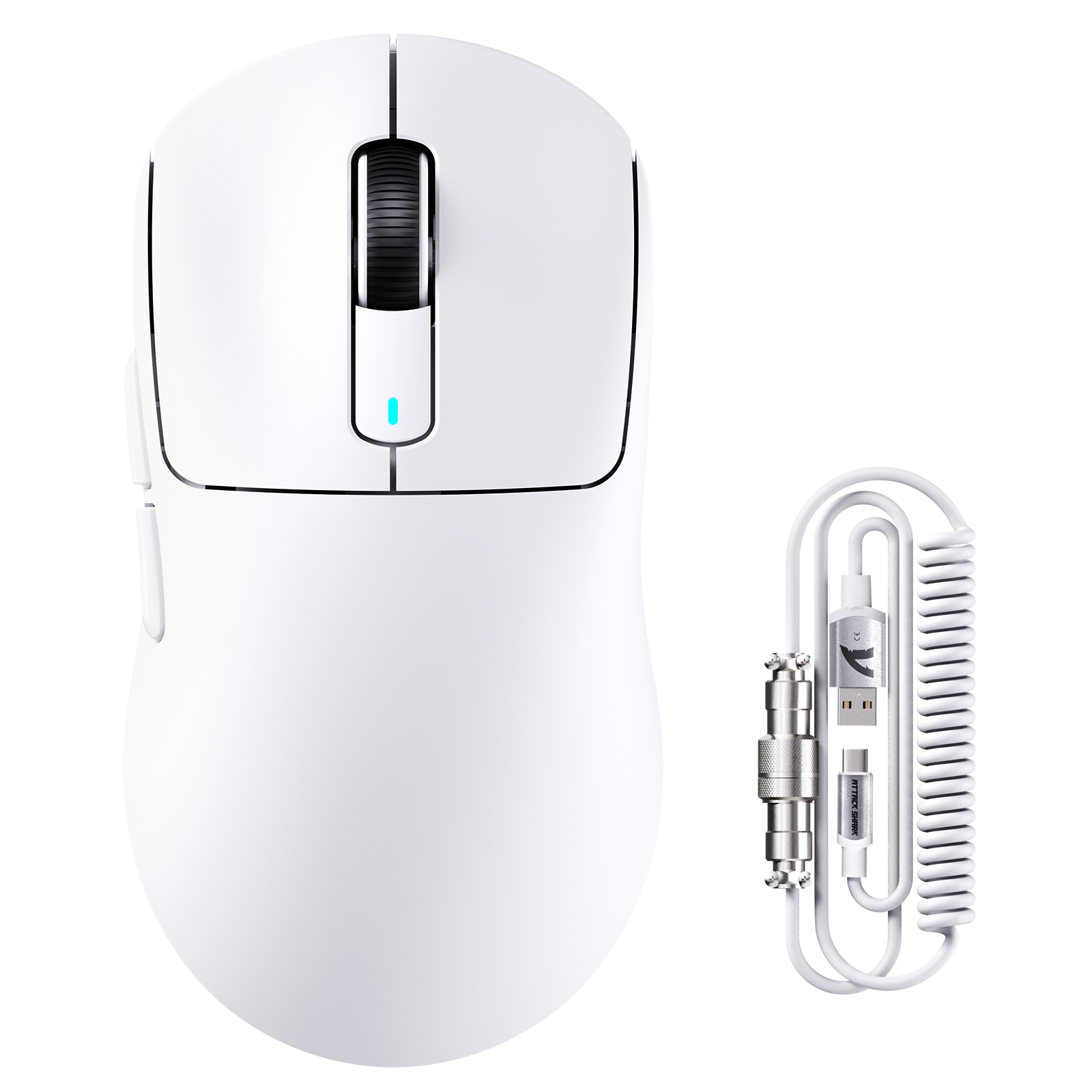
ATTACK SHARK V8 Ultra-Light Ergonomic Wireless Gaming Mouse
Sale price$89.00 Regular price$104.00
Save 15%
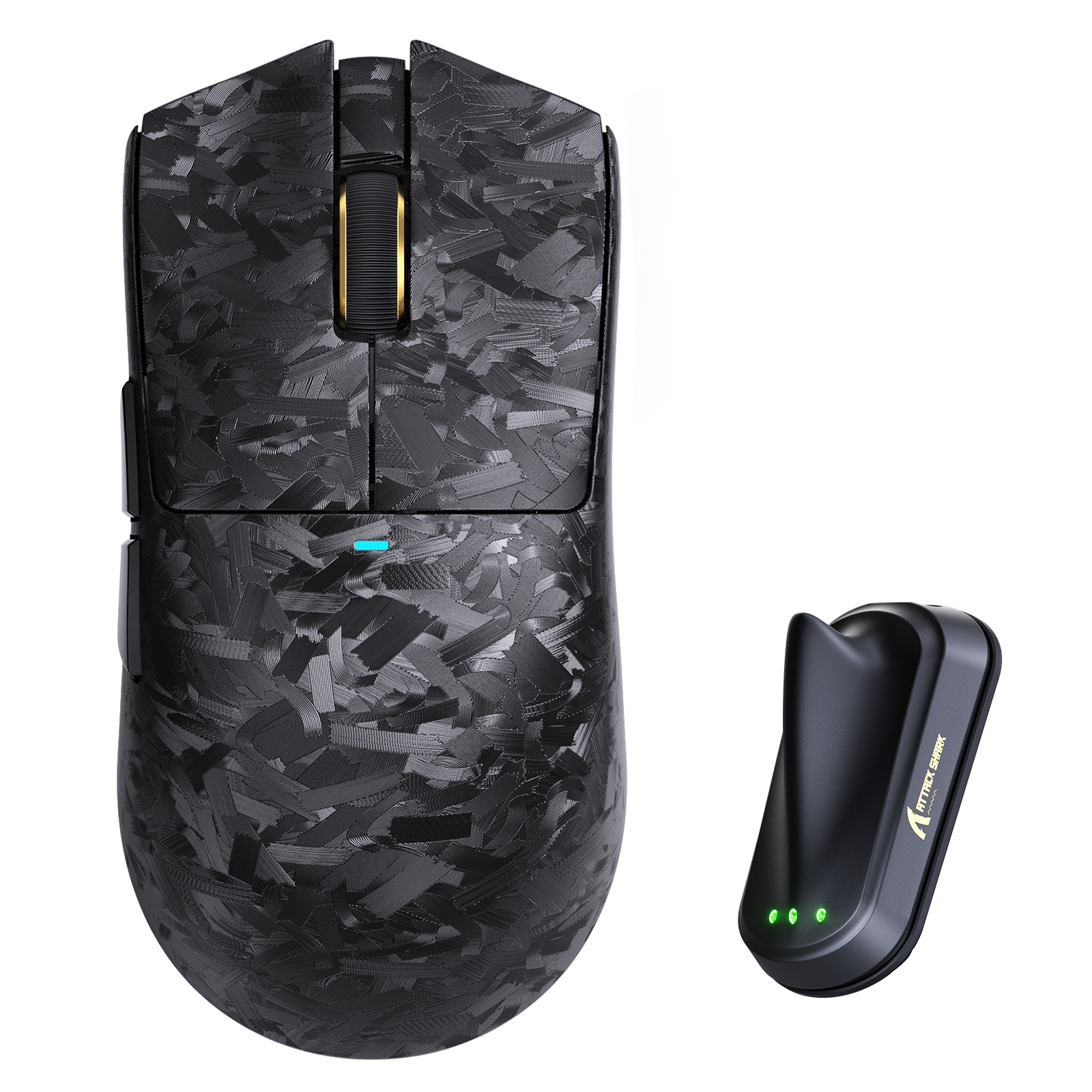
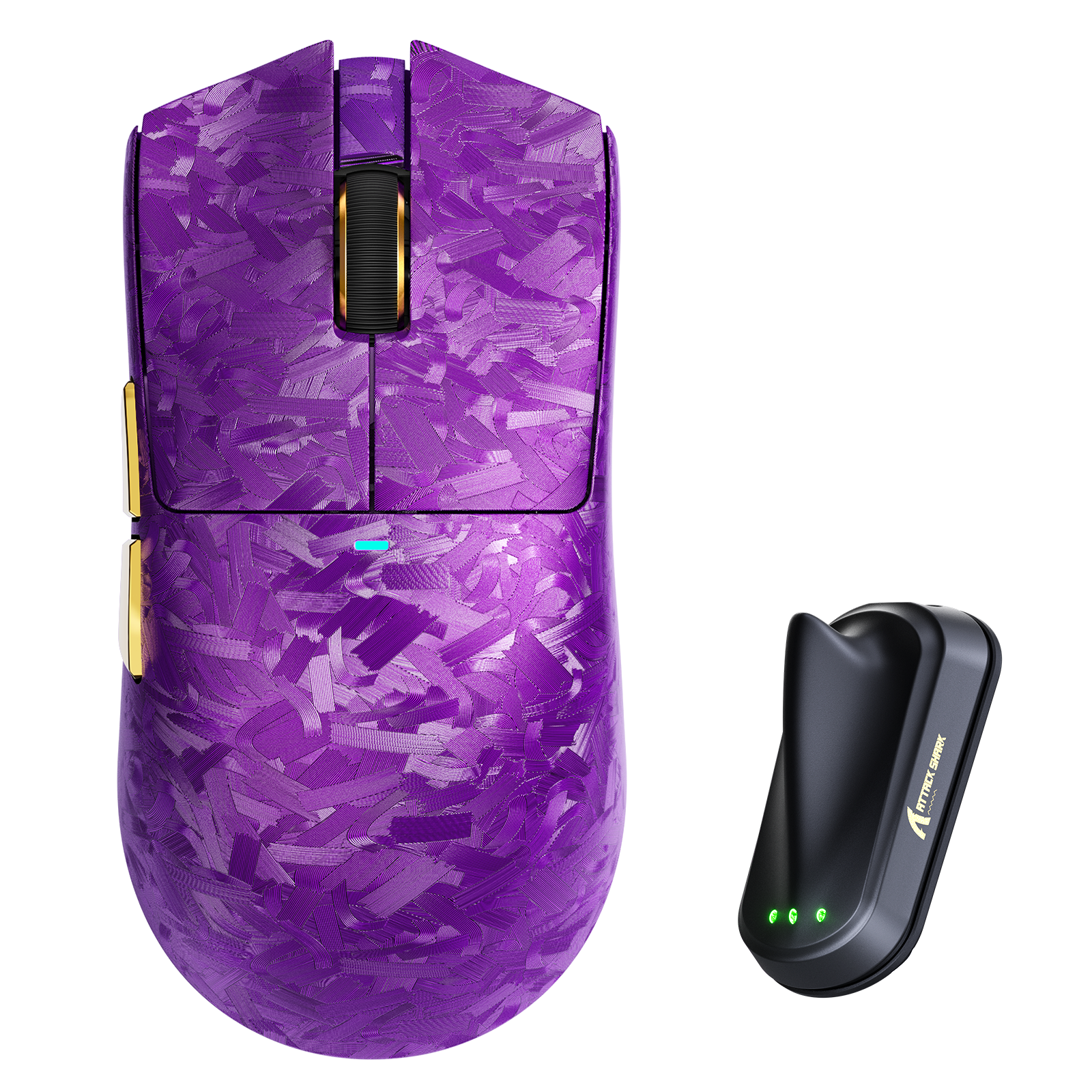
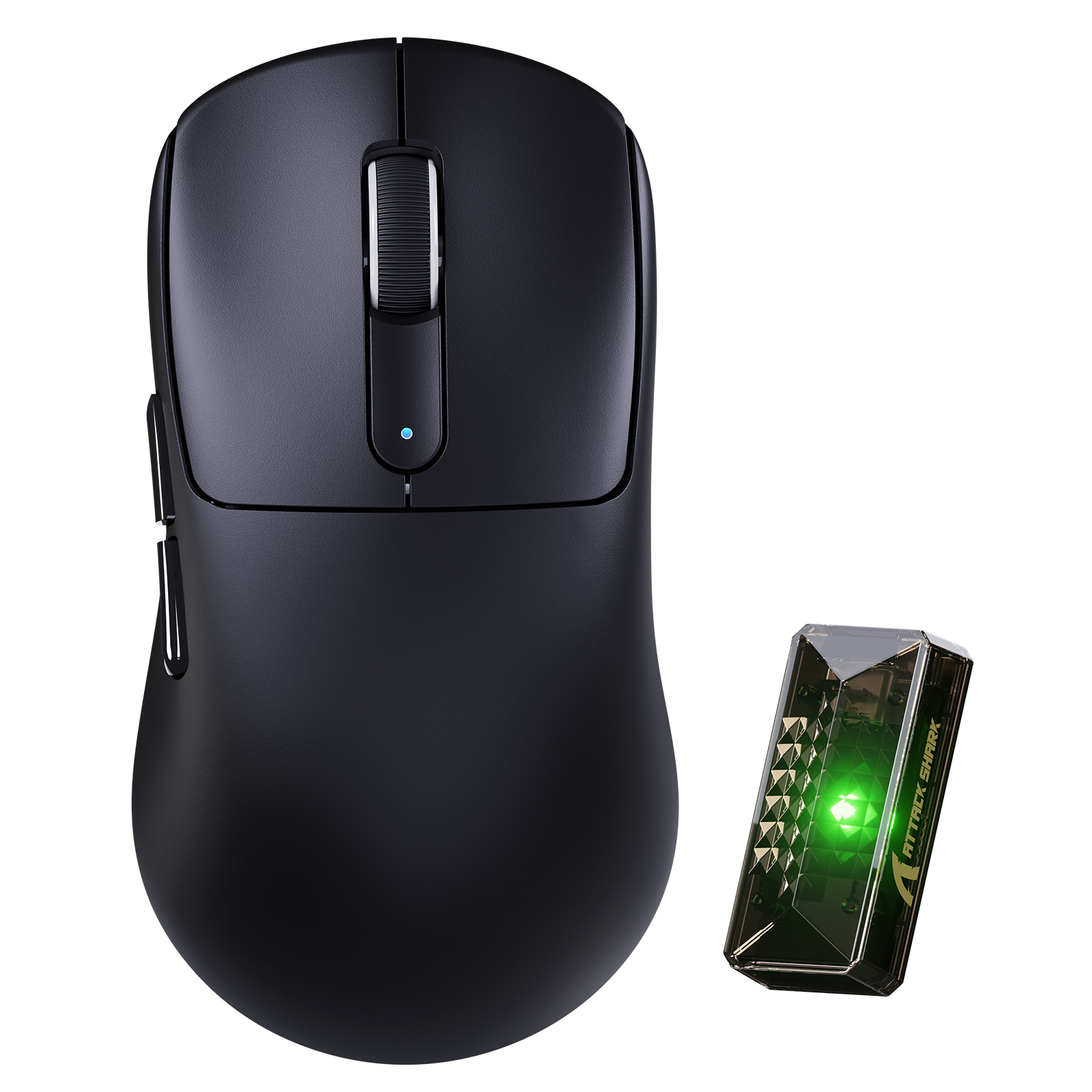
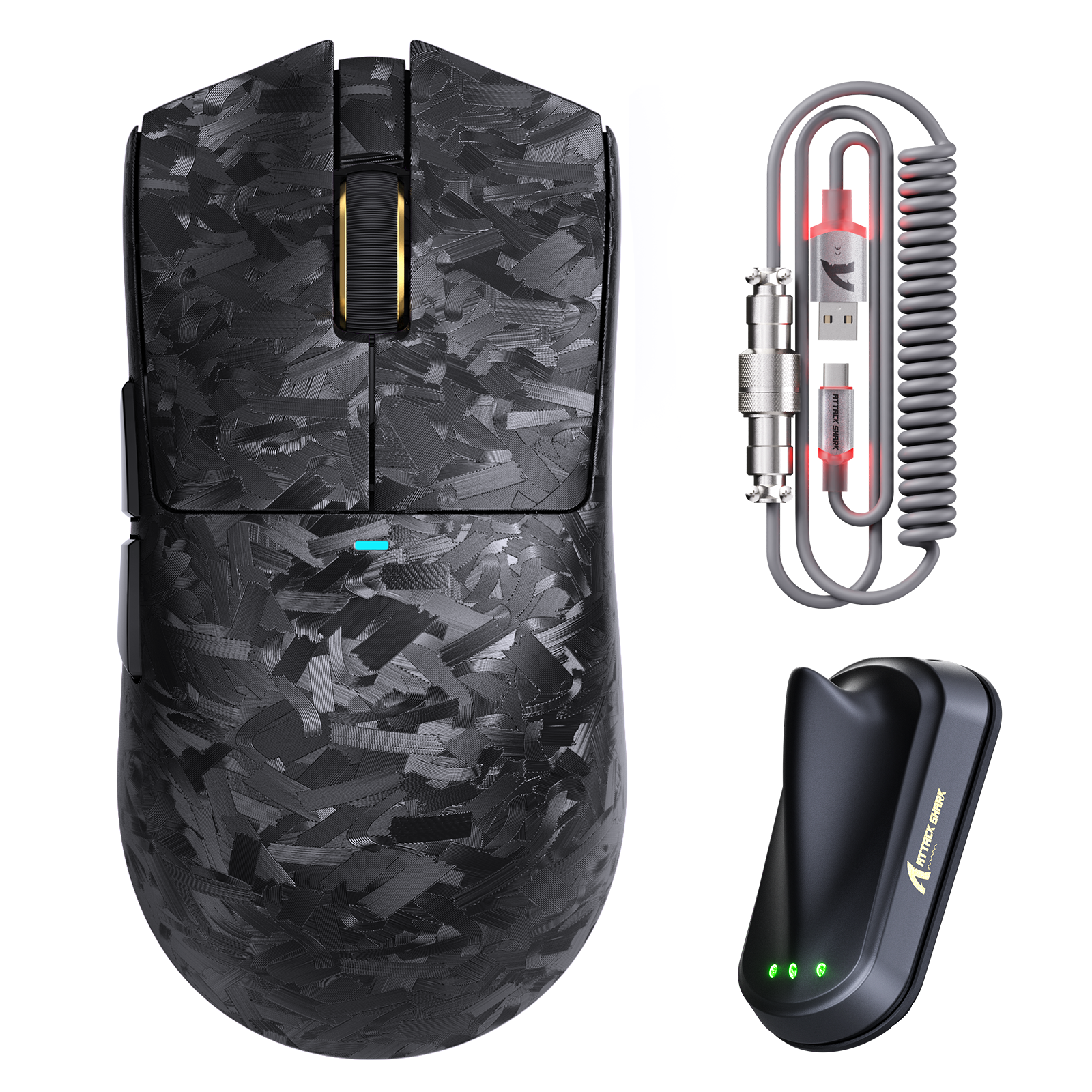
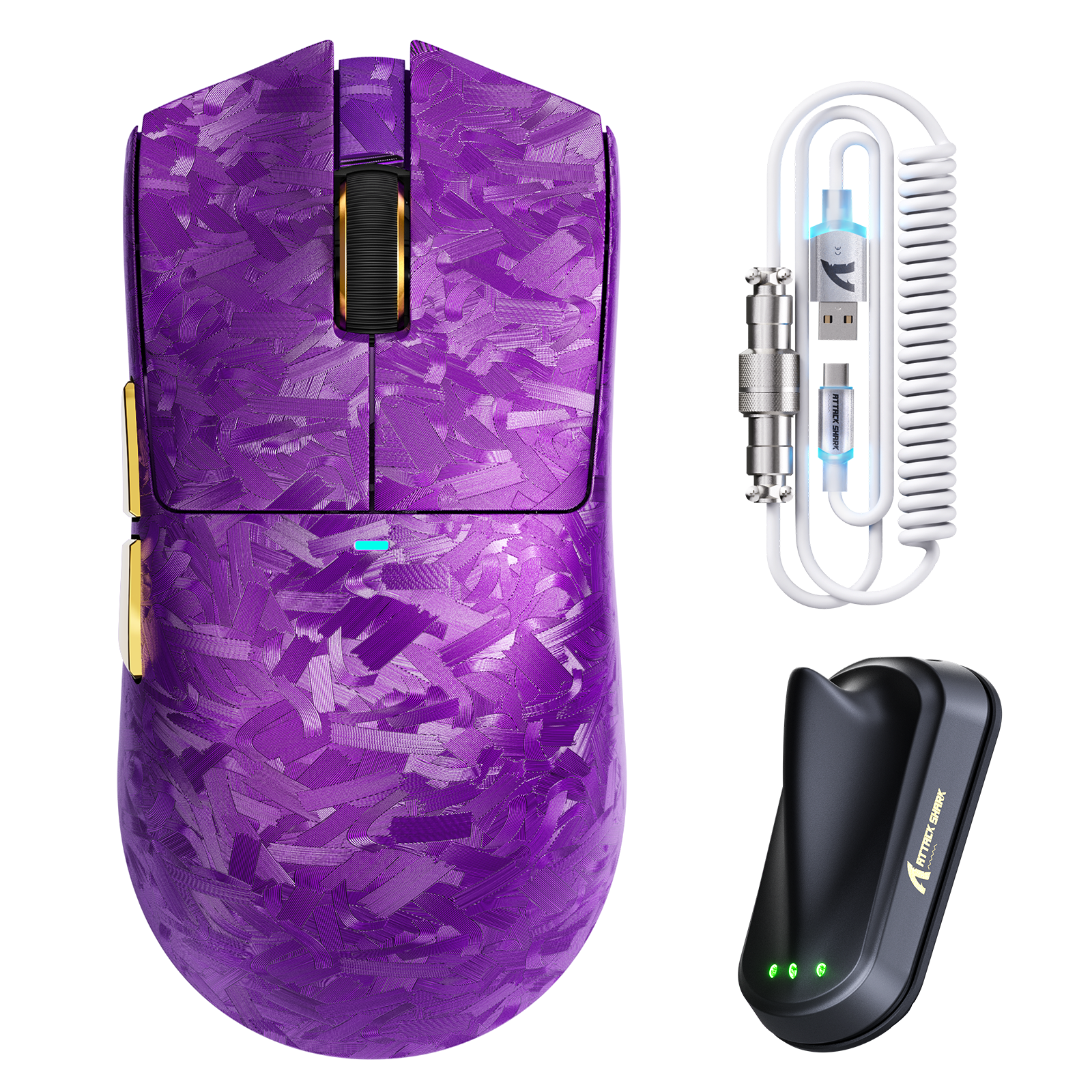
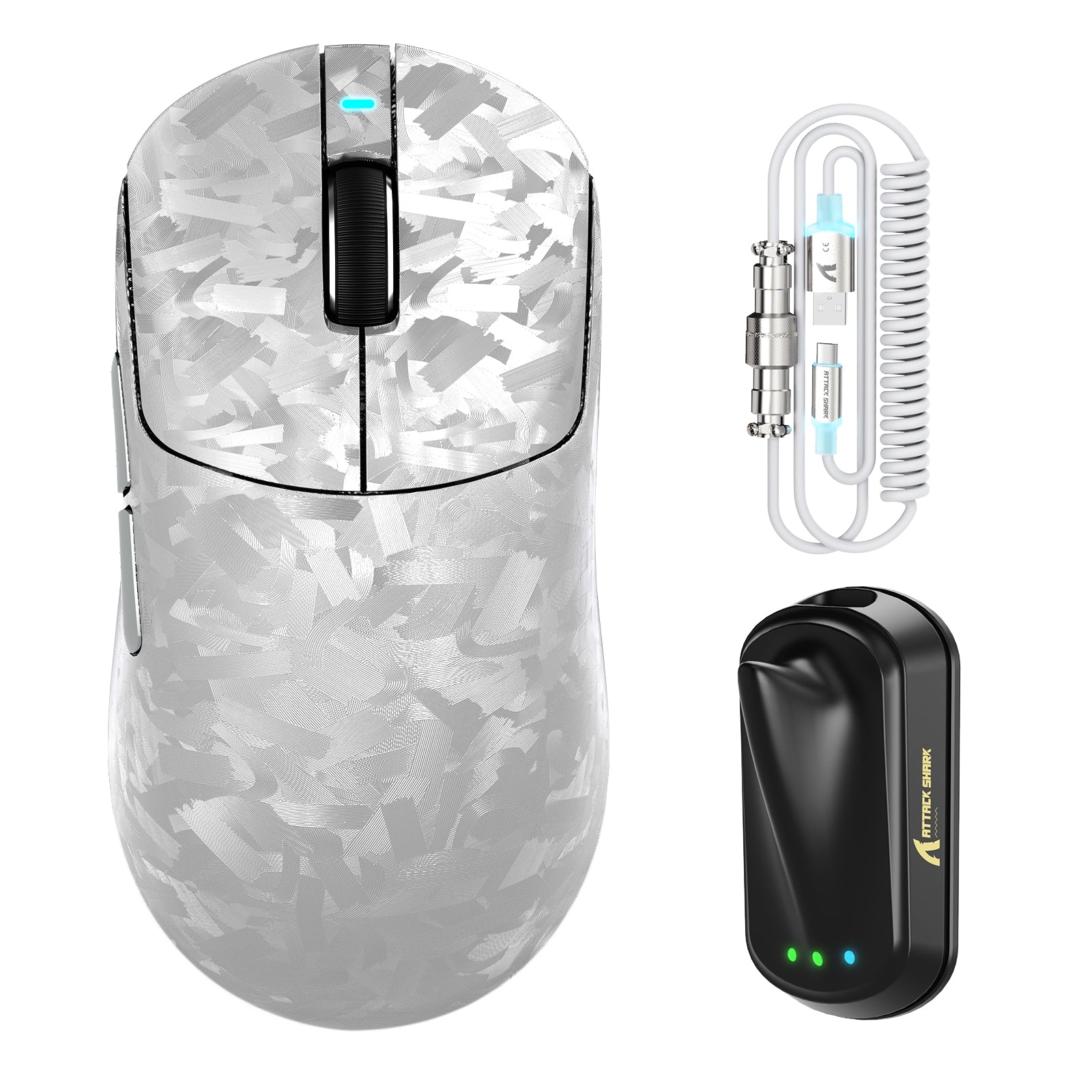
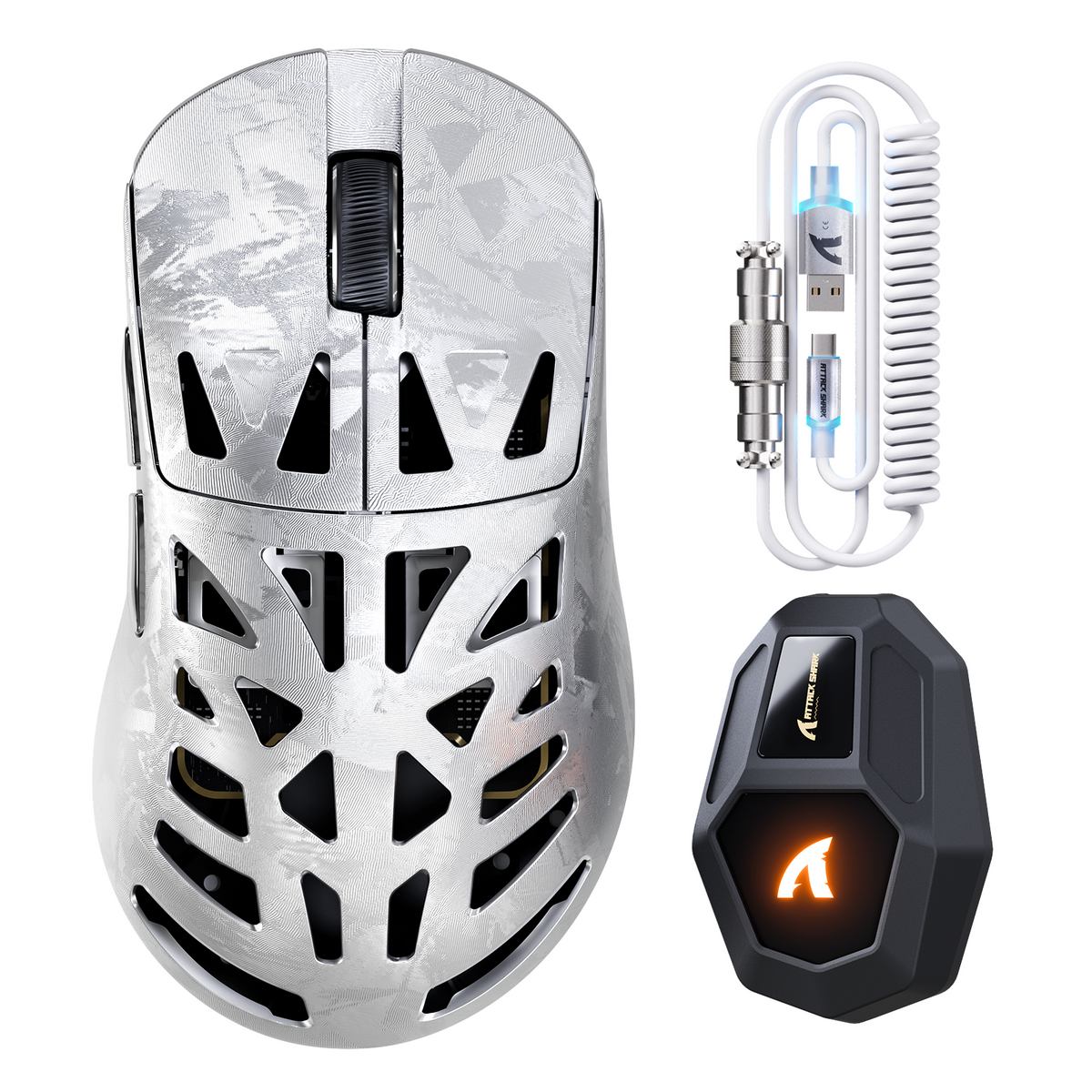
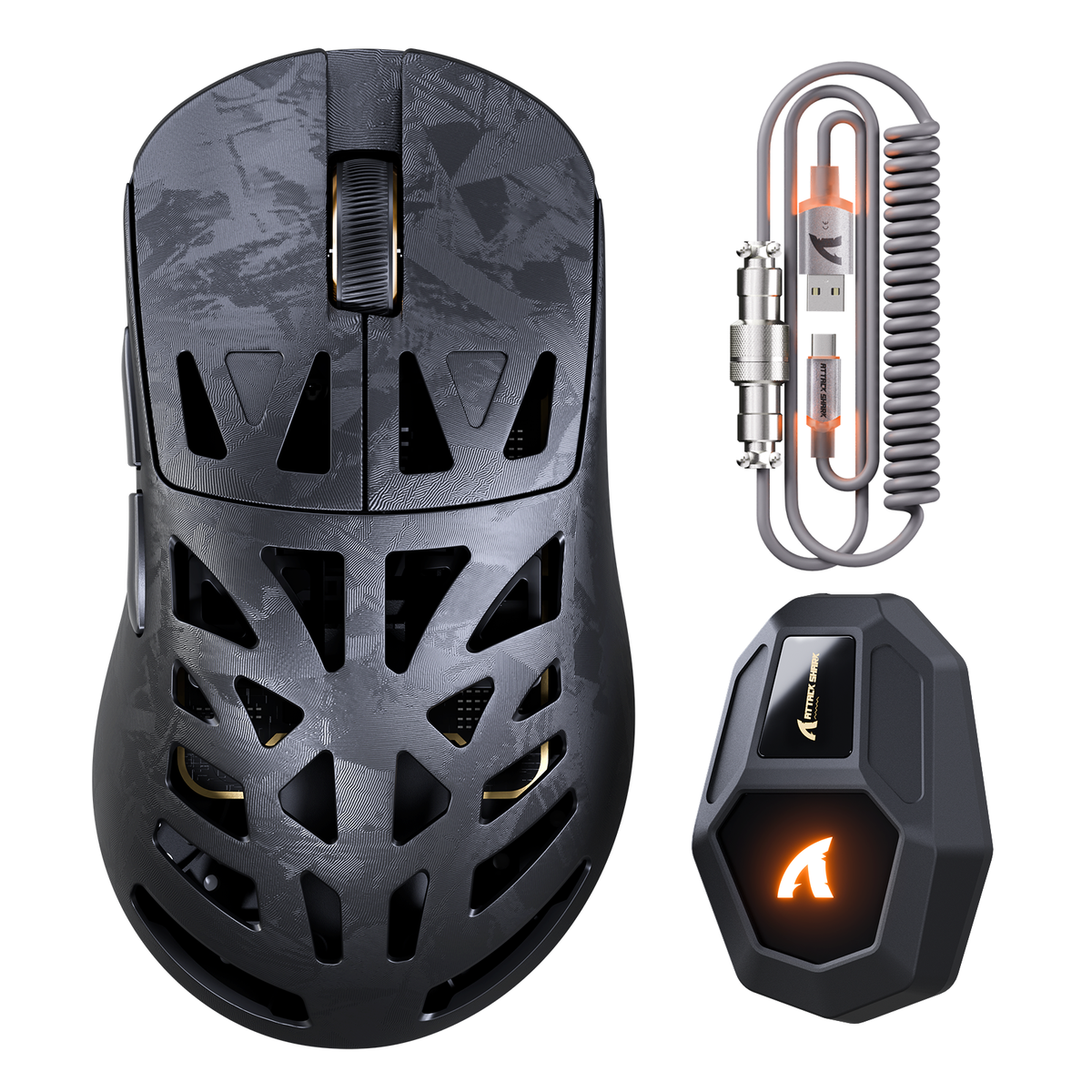
ATTACK SHARK X11 ULTRA Carbon Fiber Wireless 8K PAW3950MAX Gaming Mouse
Sale price$122.00 Regular price$143.00
Up to 8%
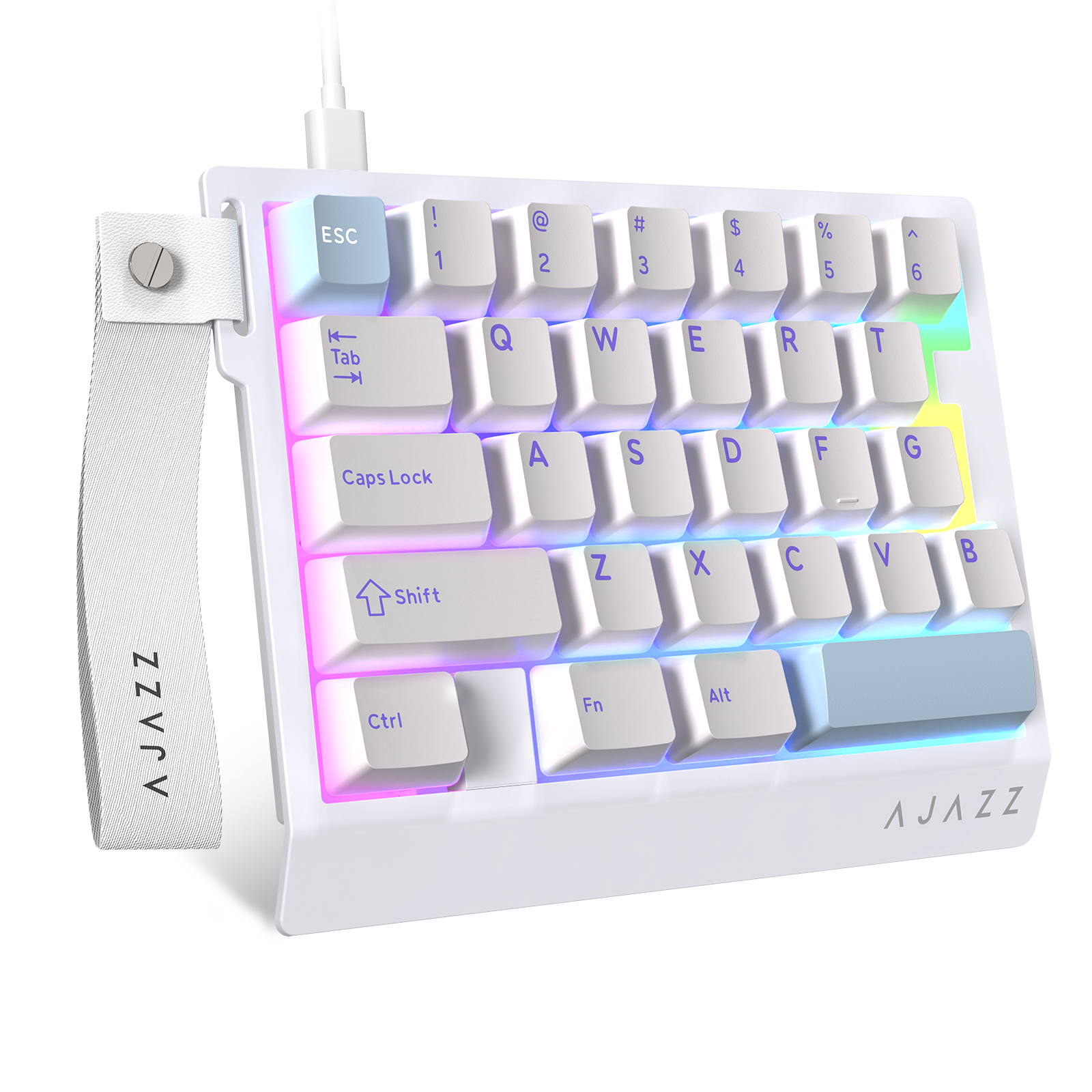
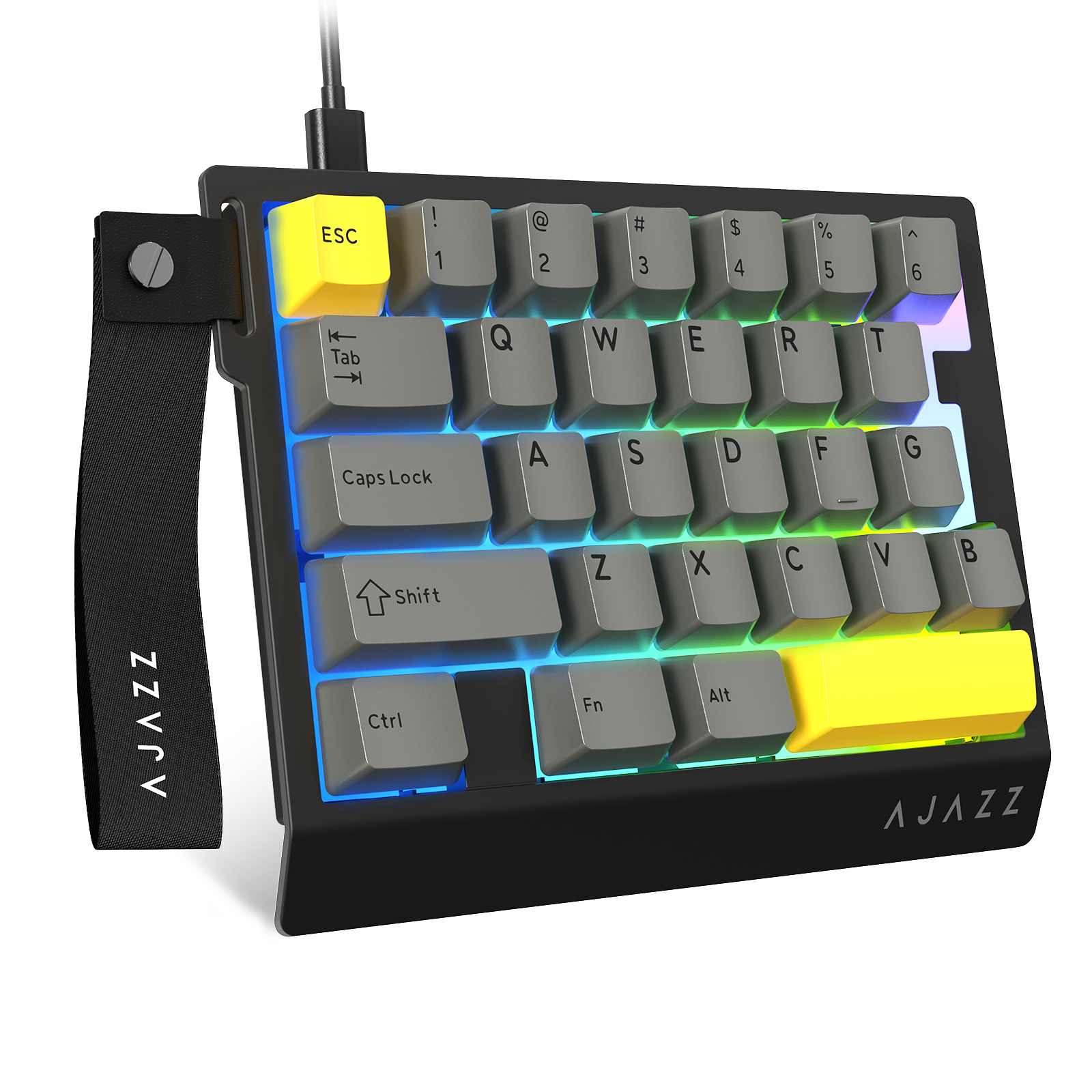
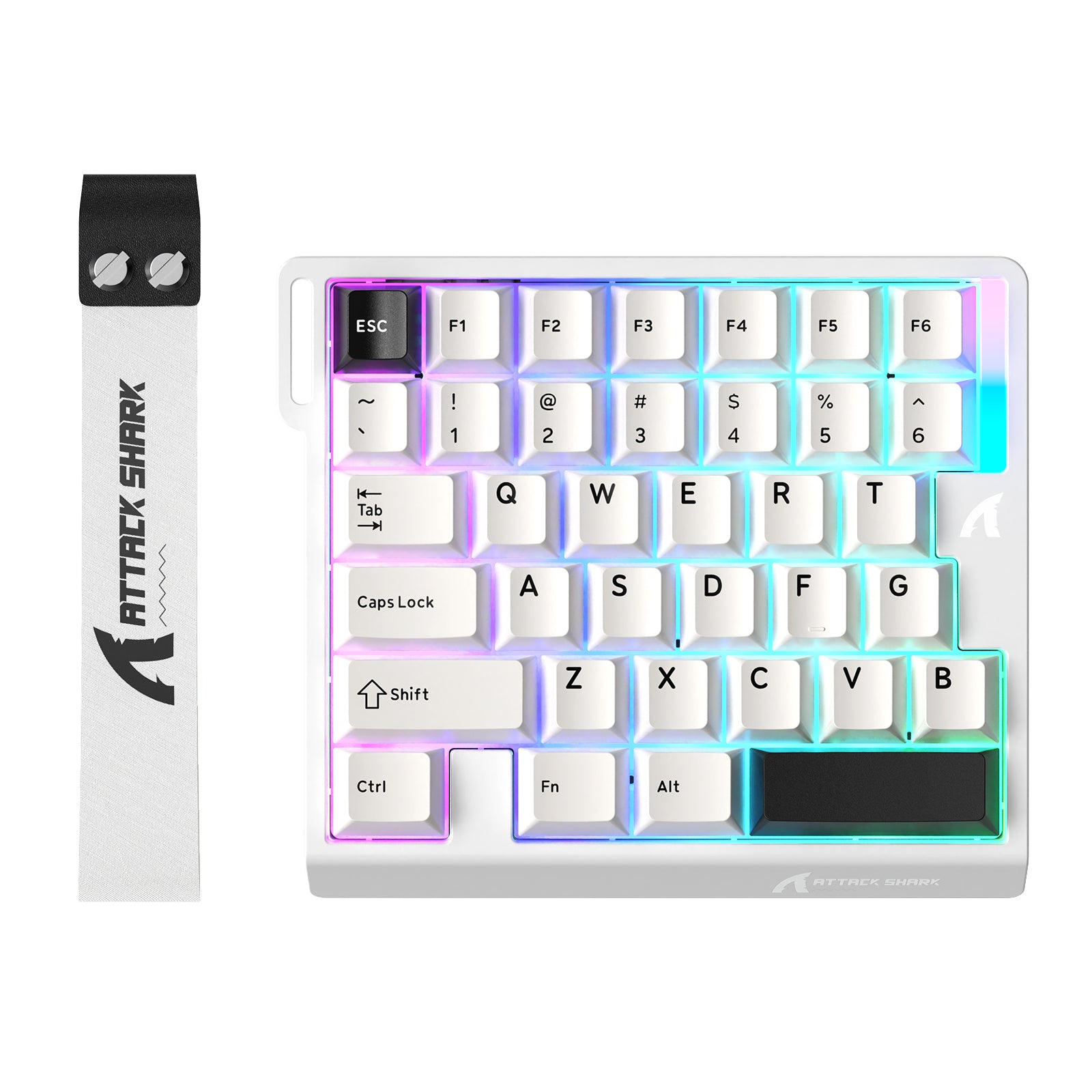
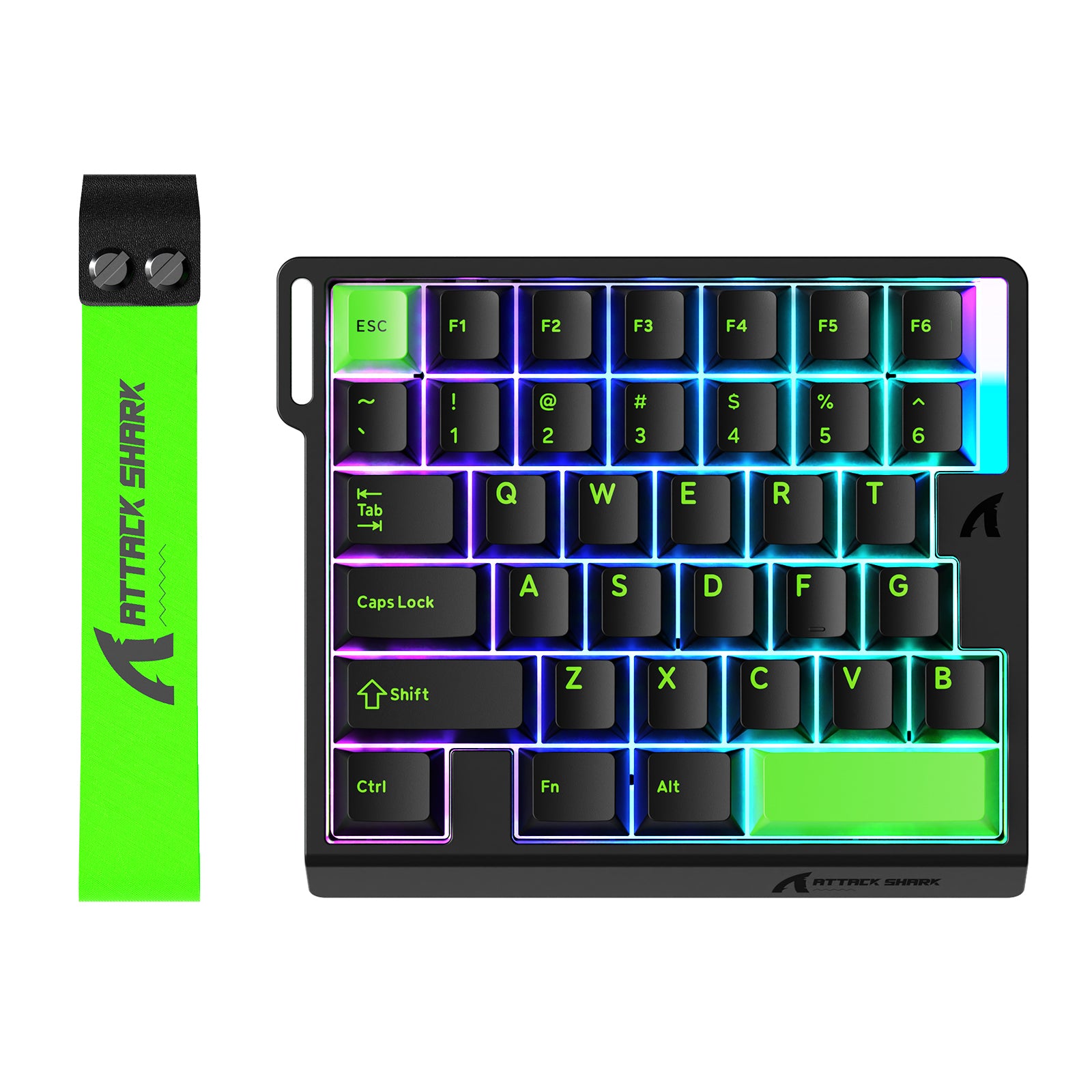
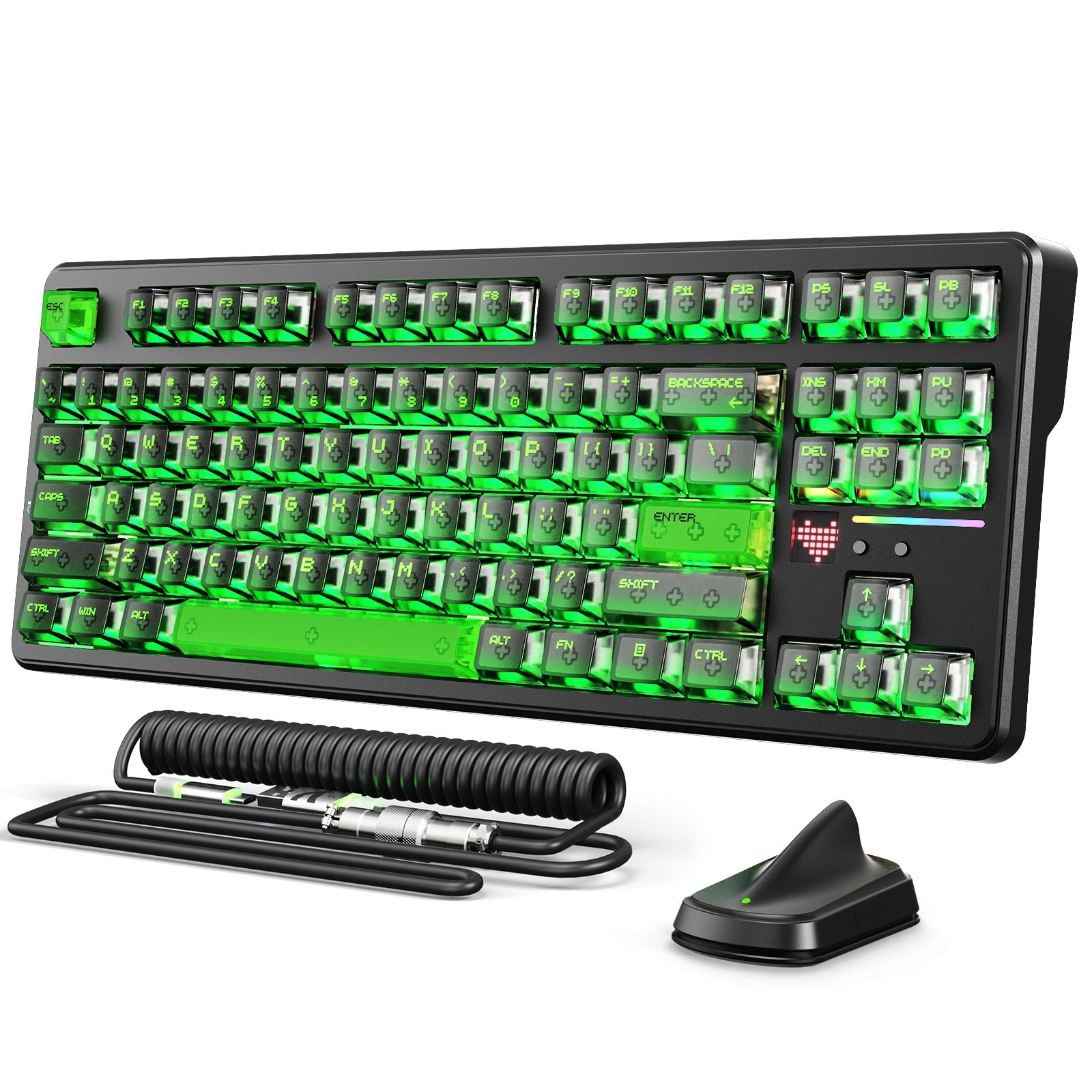
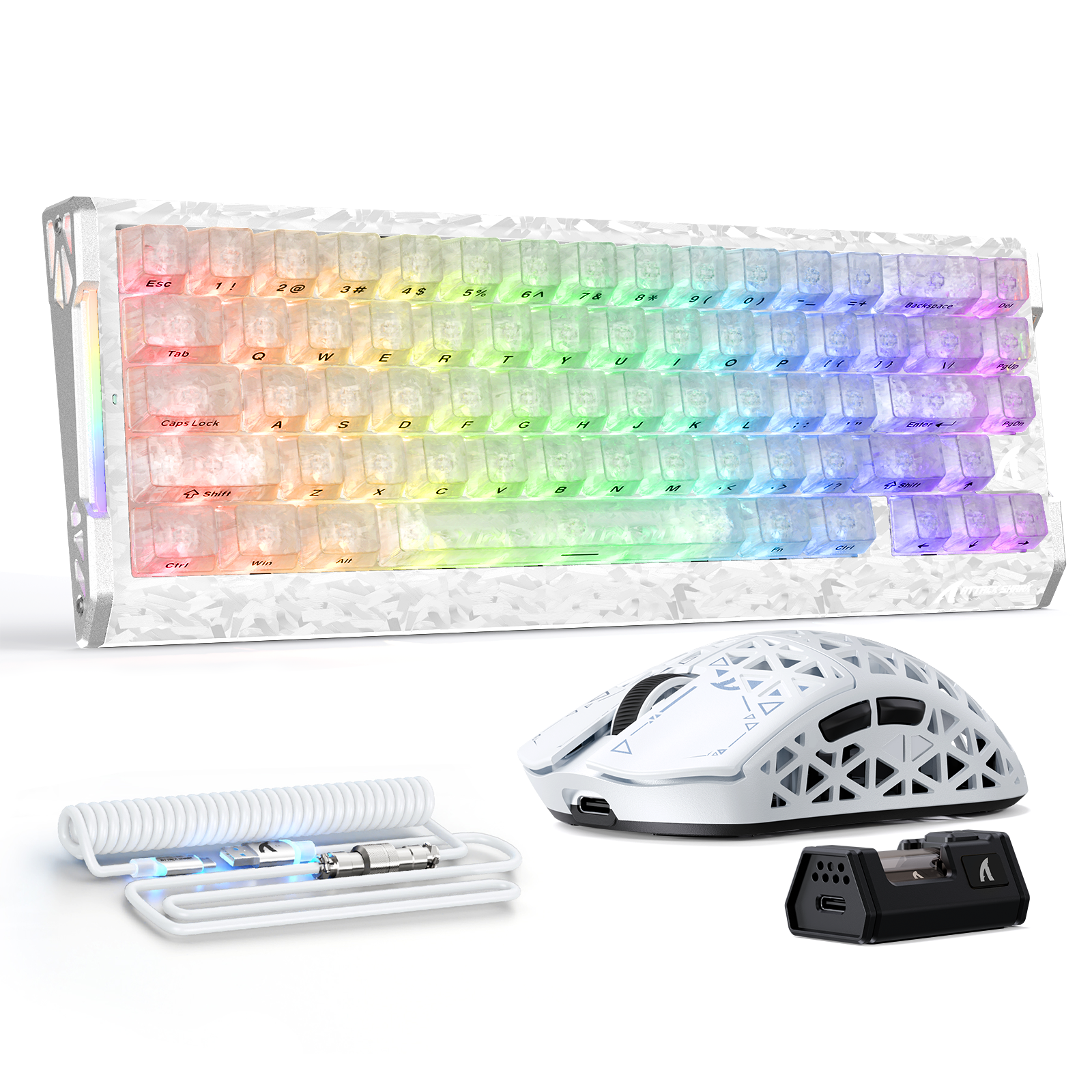
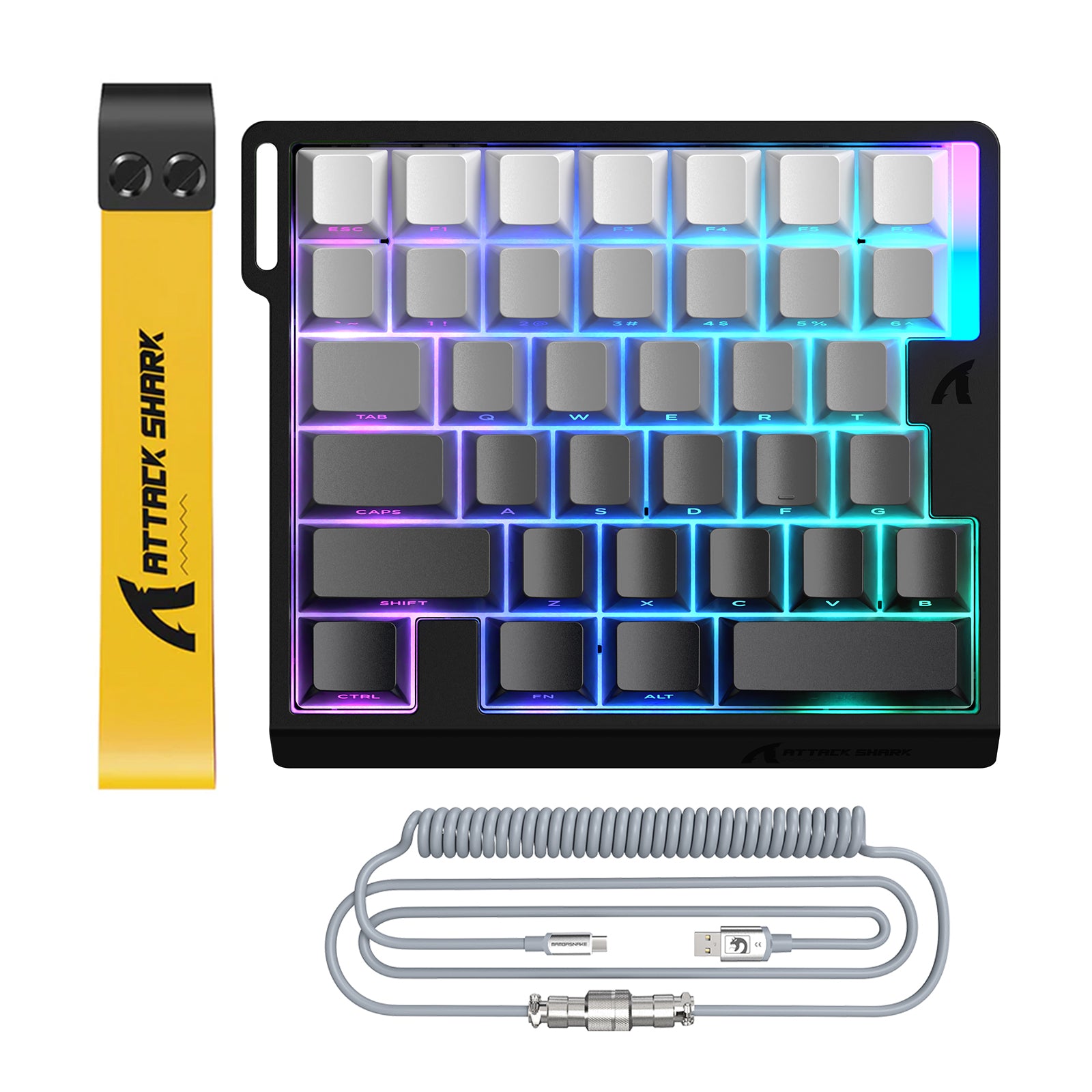
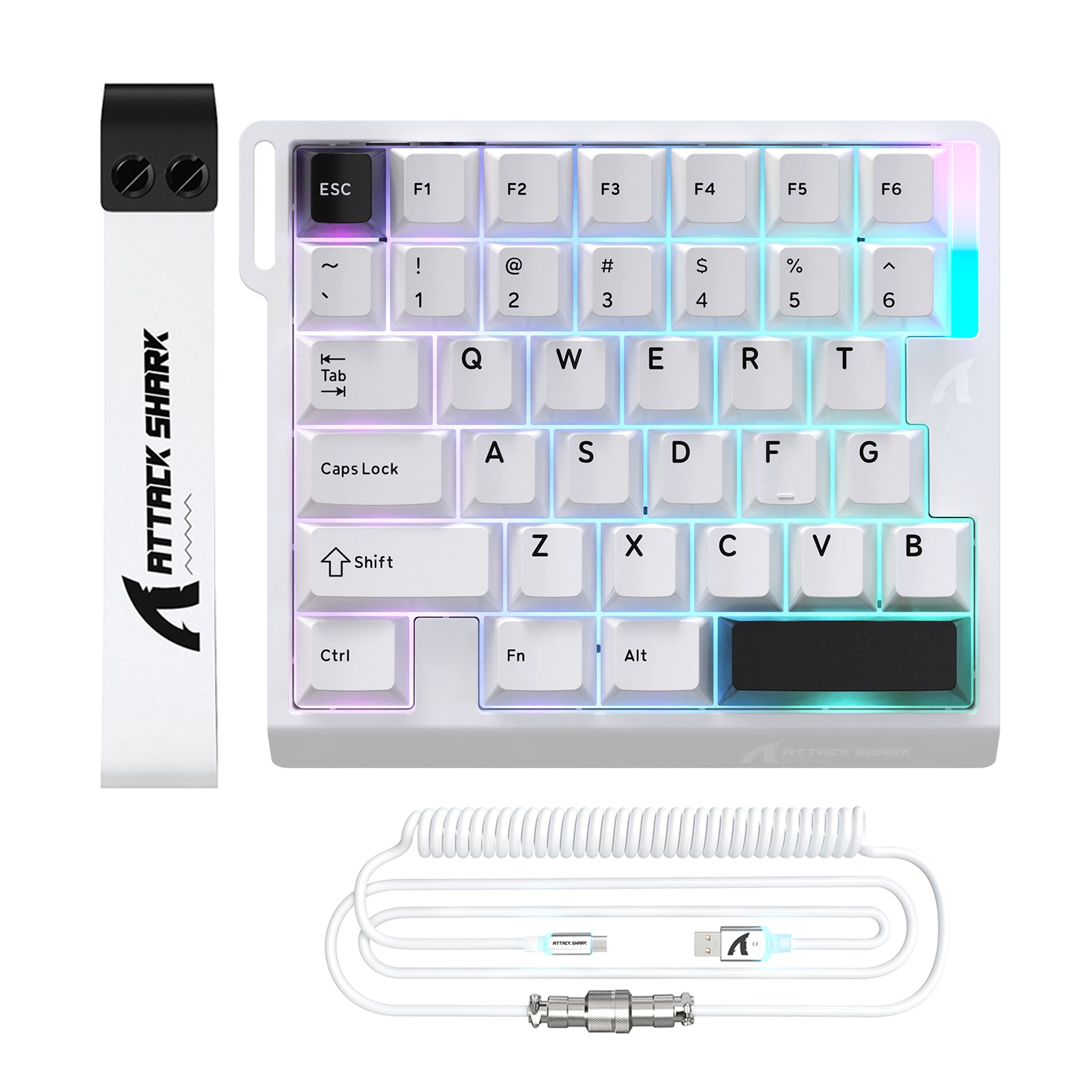
ATTACK SHARK X AJAZZ AK029 Wired One-Handed Gaming Keyboard
Sale priceFrom $36.00 Regular price$39.00
+2
Up to 10%
Save 15%
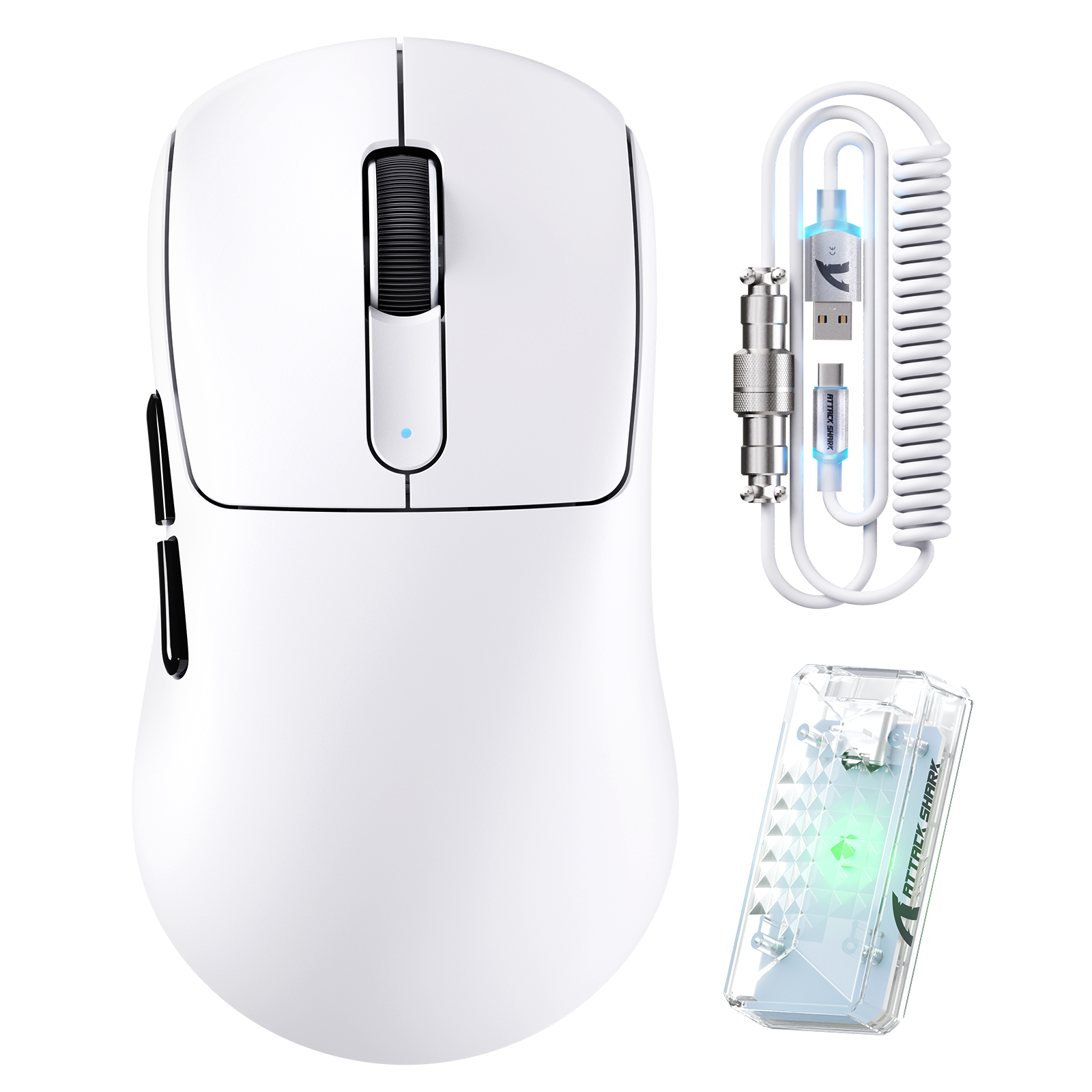
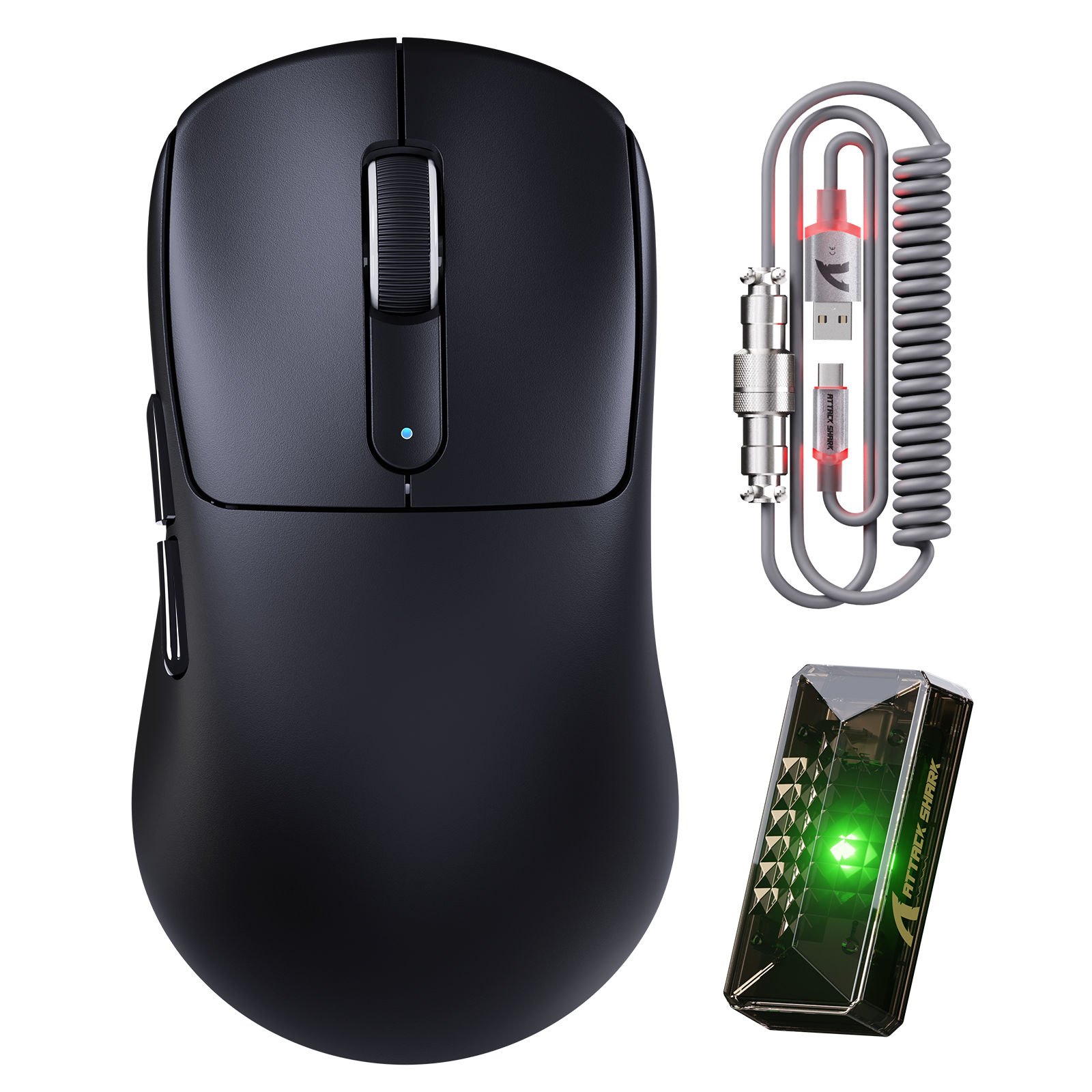
ATTACK SHARK X8PRO Ultra-Light Wireless Gaming Mouse & C06ULTRA Cable
Sale price$70.00 Regular price$82.00
Save 15%
Save 14%
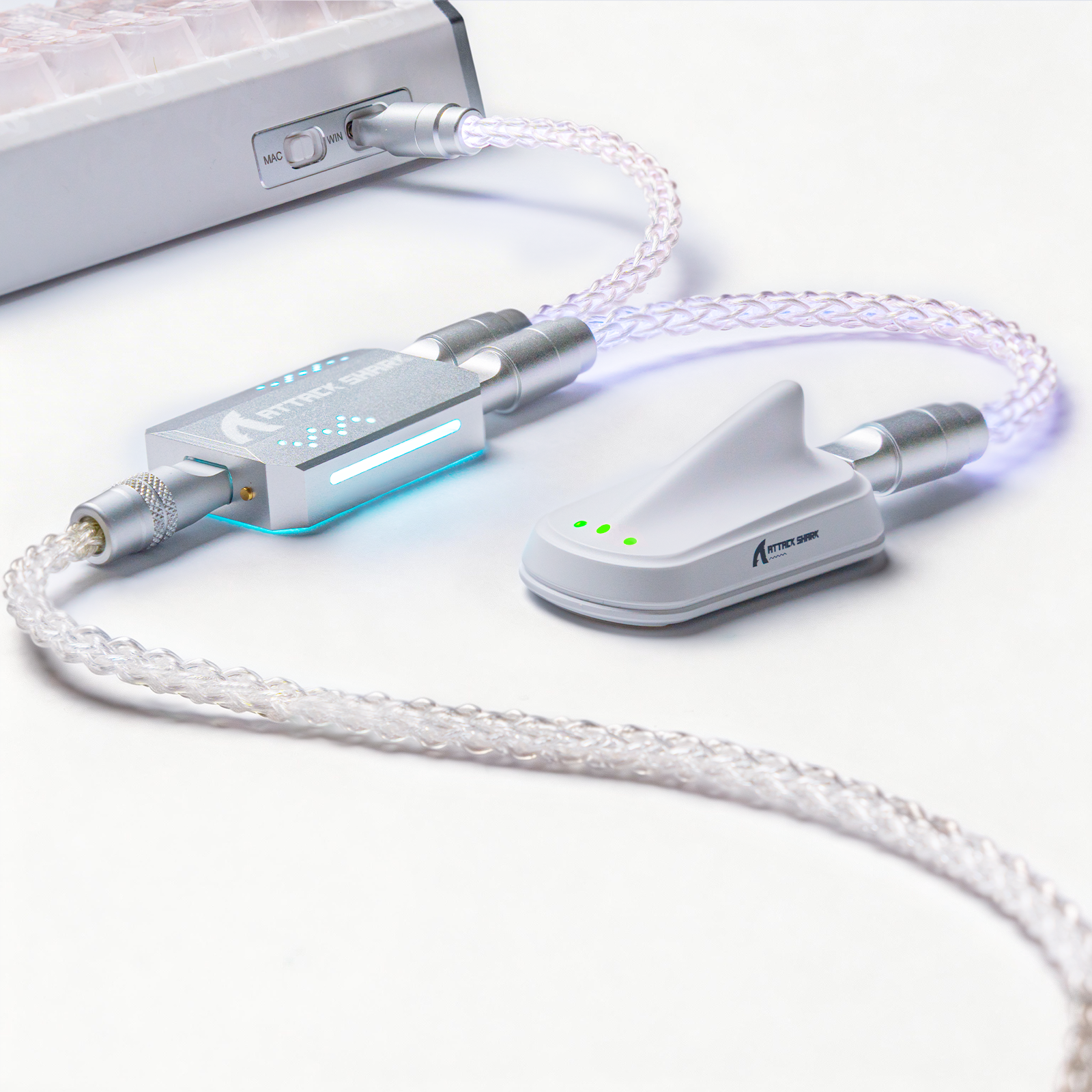
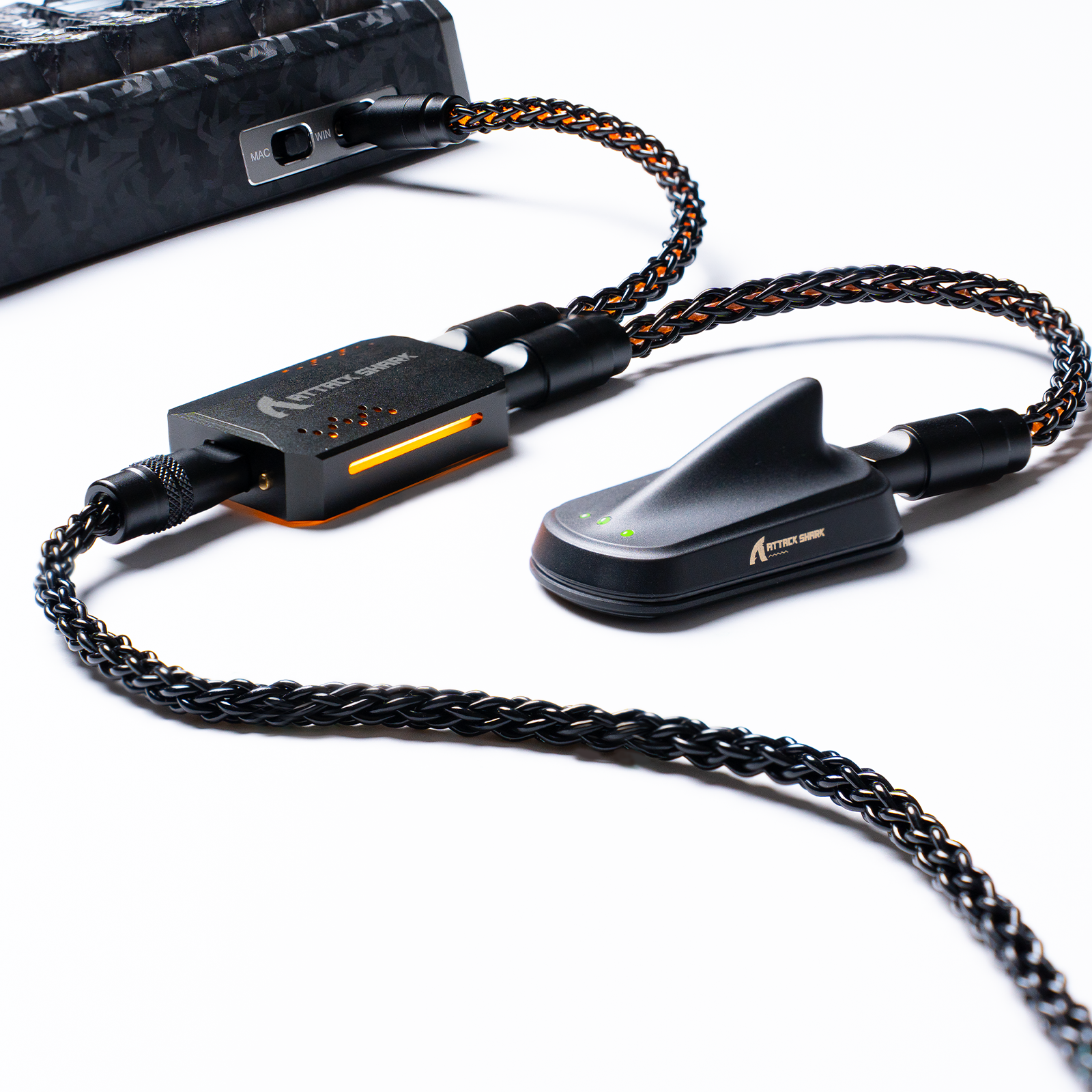
ATTACK SHARK C07 PRO 2-In 1 Type C Cable for 8KHz Gaming Keyboard/Mouse
Sale price$89.00 Regular price$104.00
Up to 10%
Up to 9%
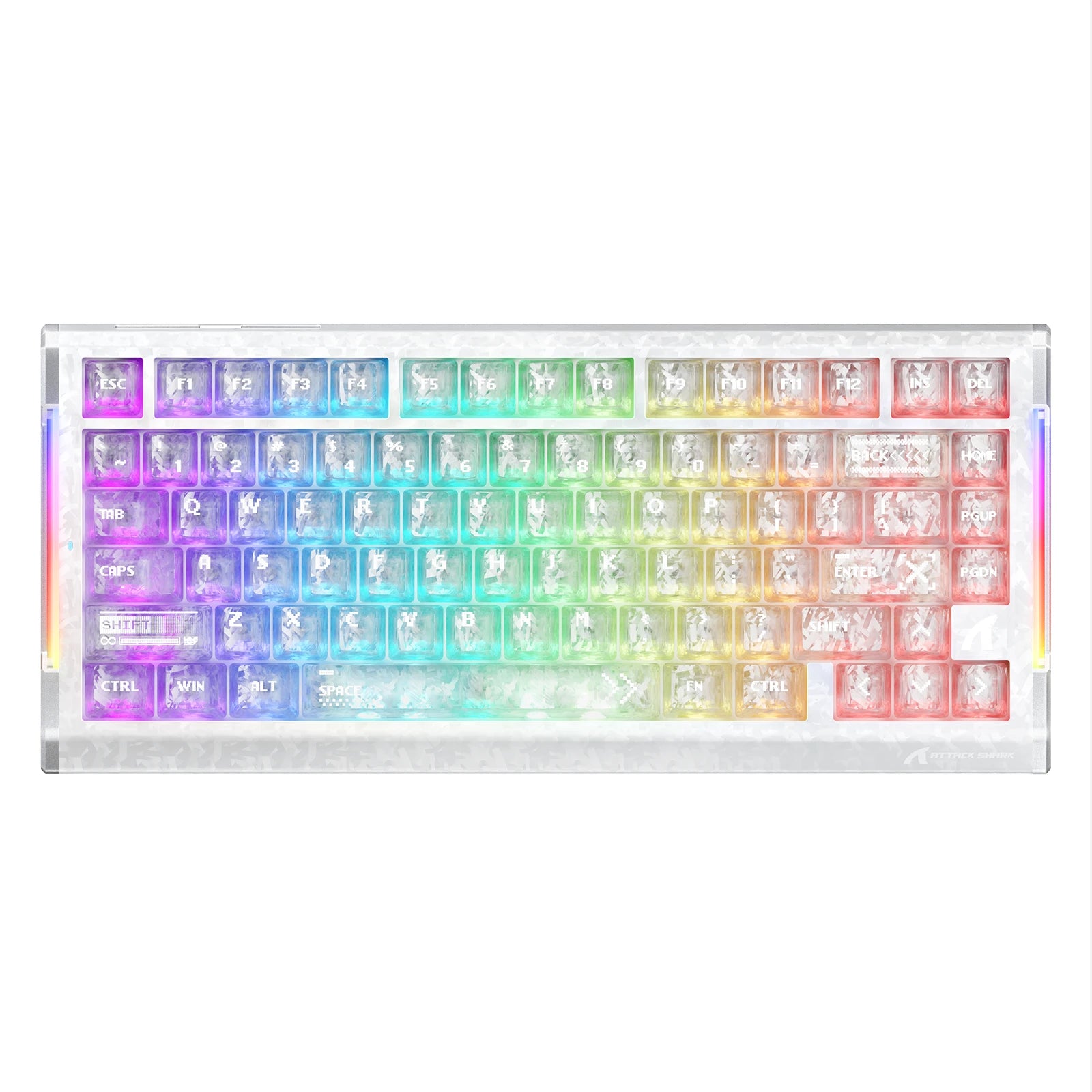
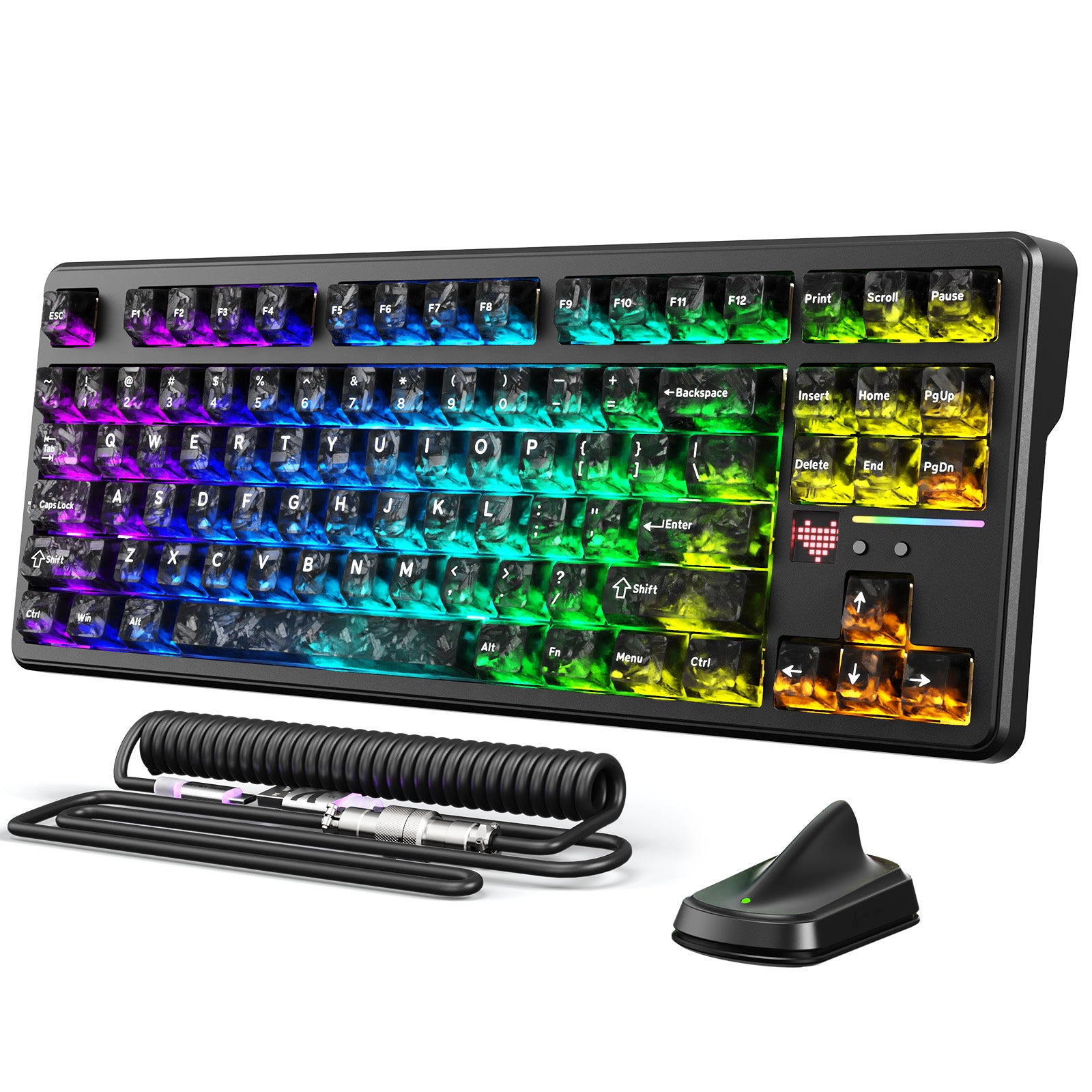
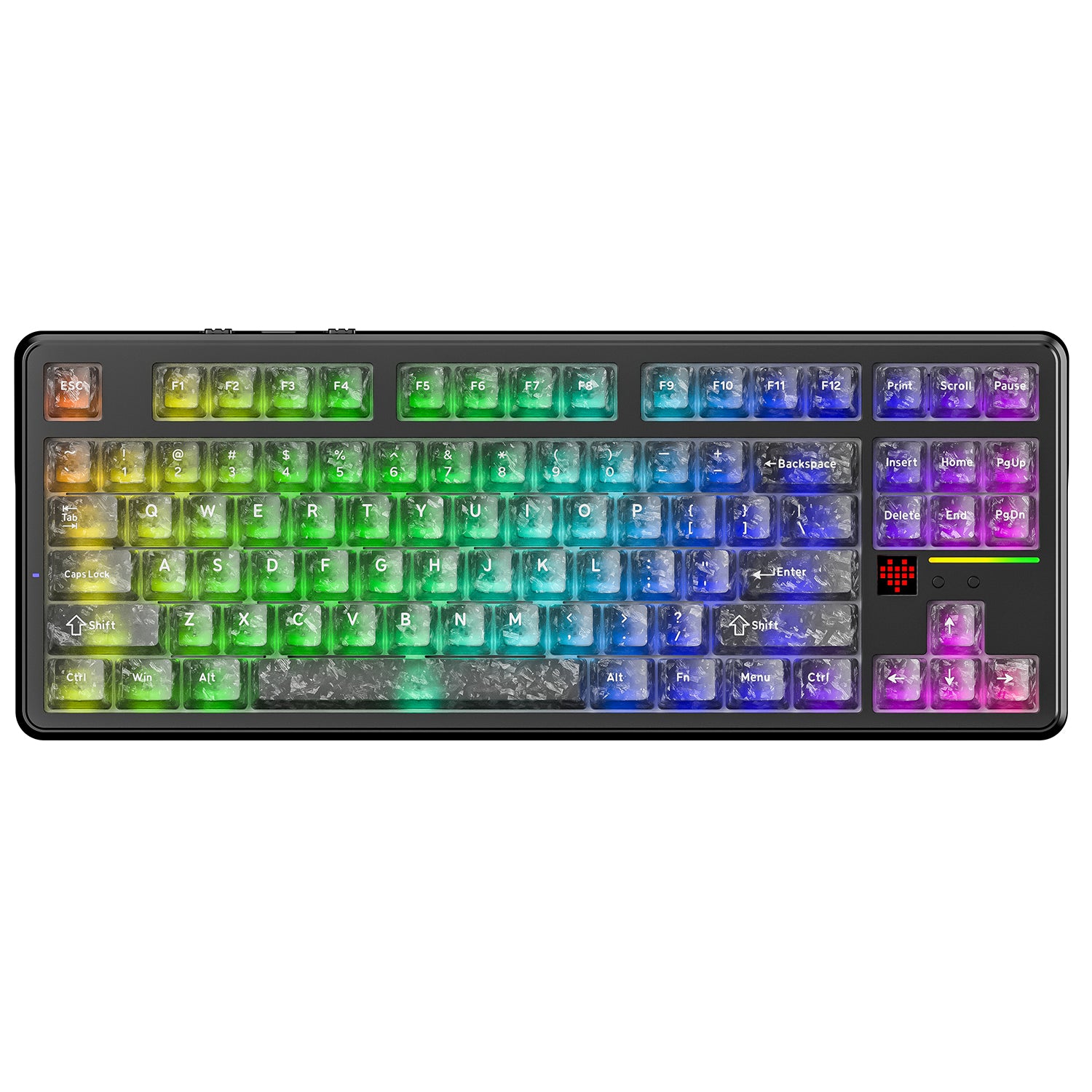
ATTACK SHARK X87 ULTRA Wireless Mechanical Keyboard With 8K Wireless Receiver
Sale priceFrom $101.00 Regular price$112.00
Up to 10%
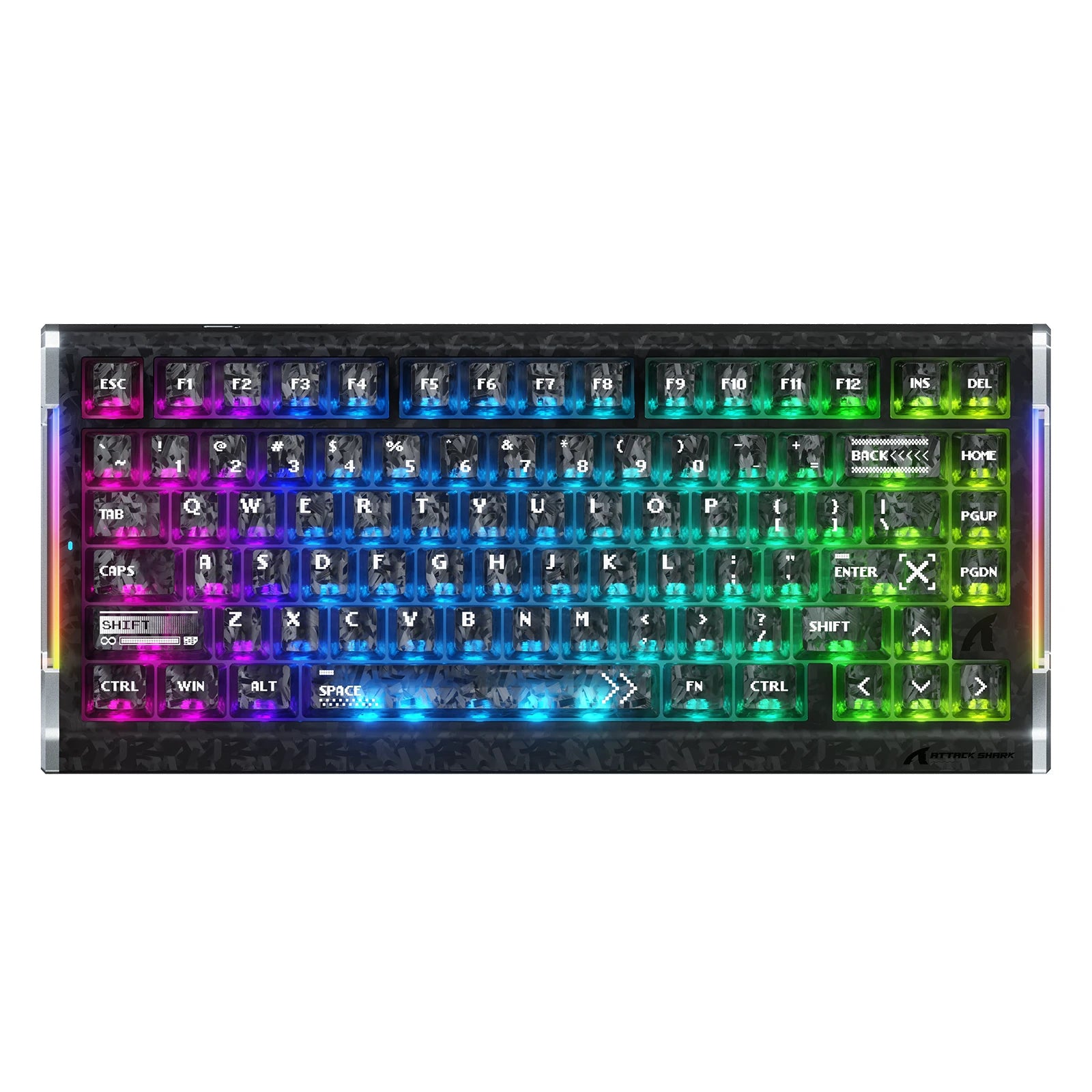
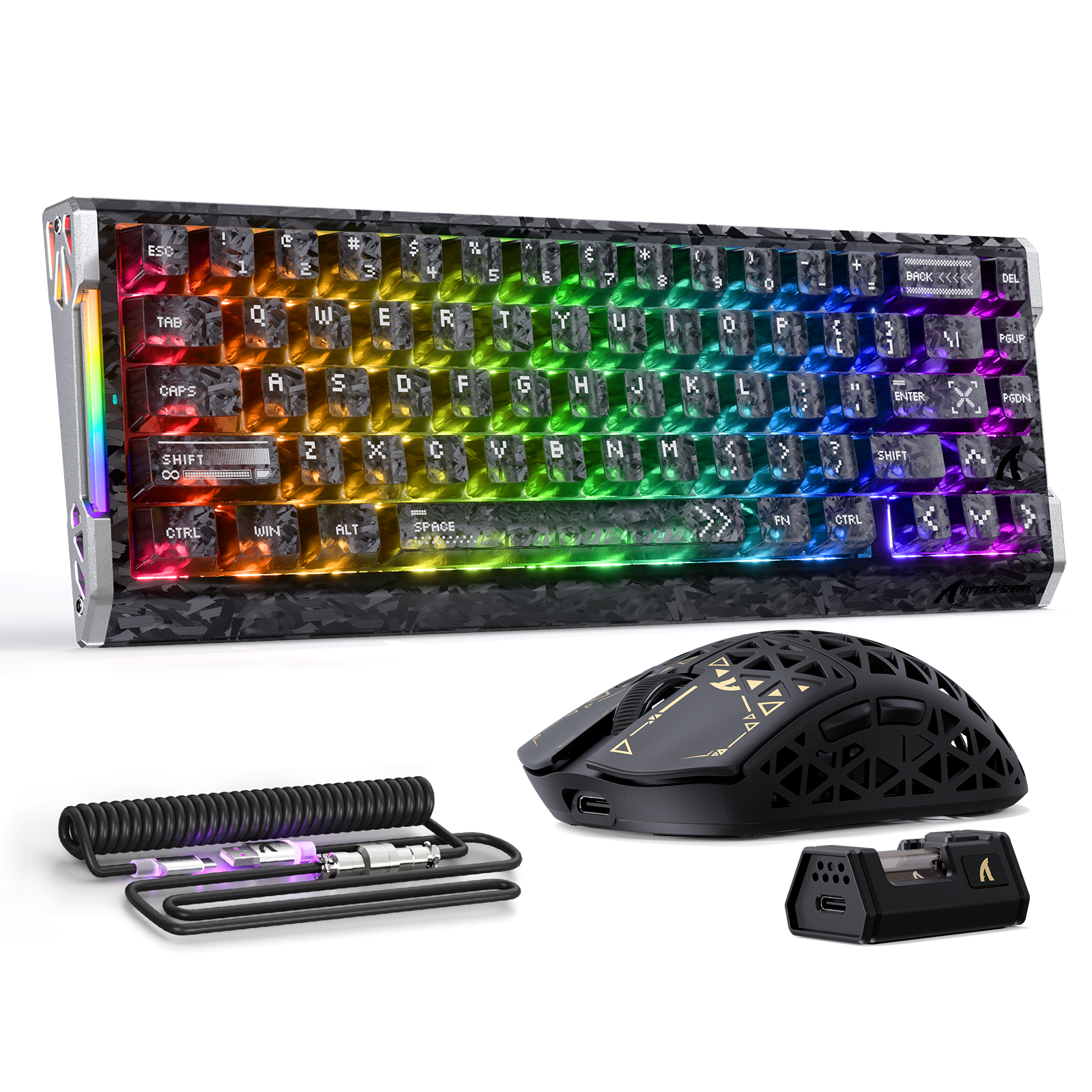
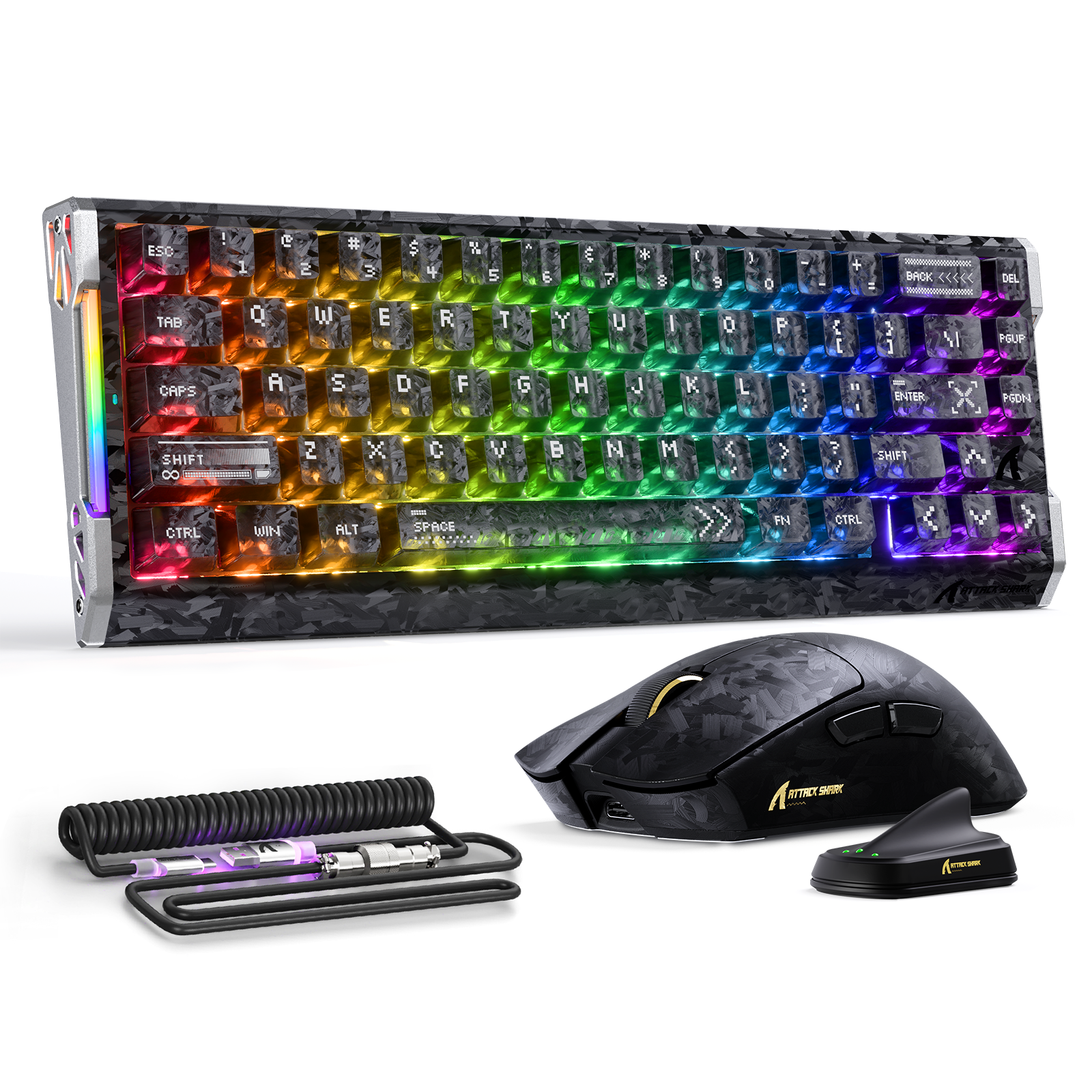
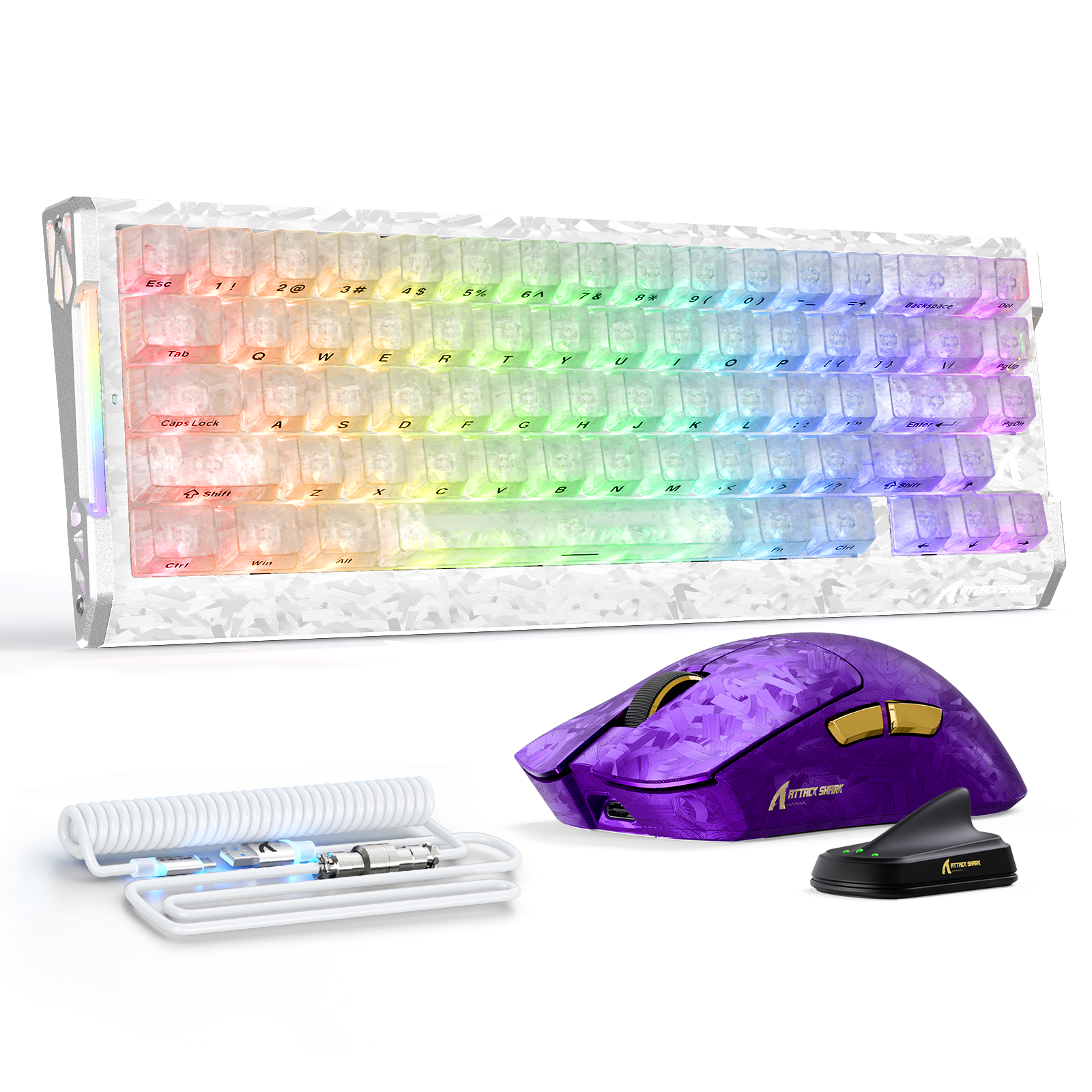
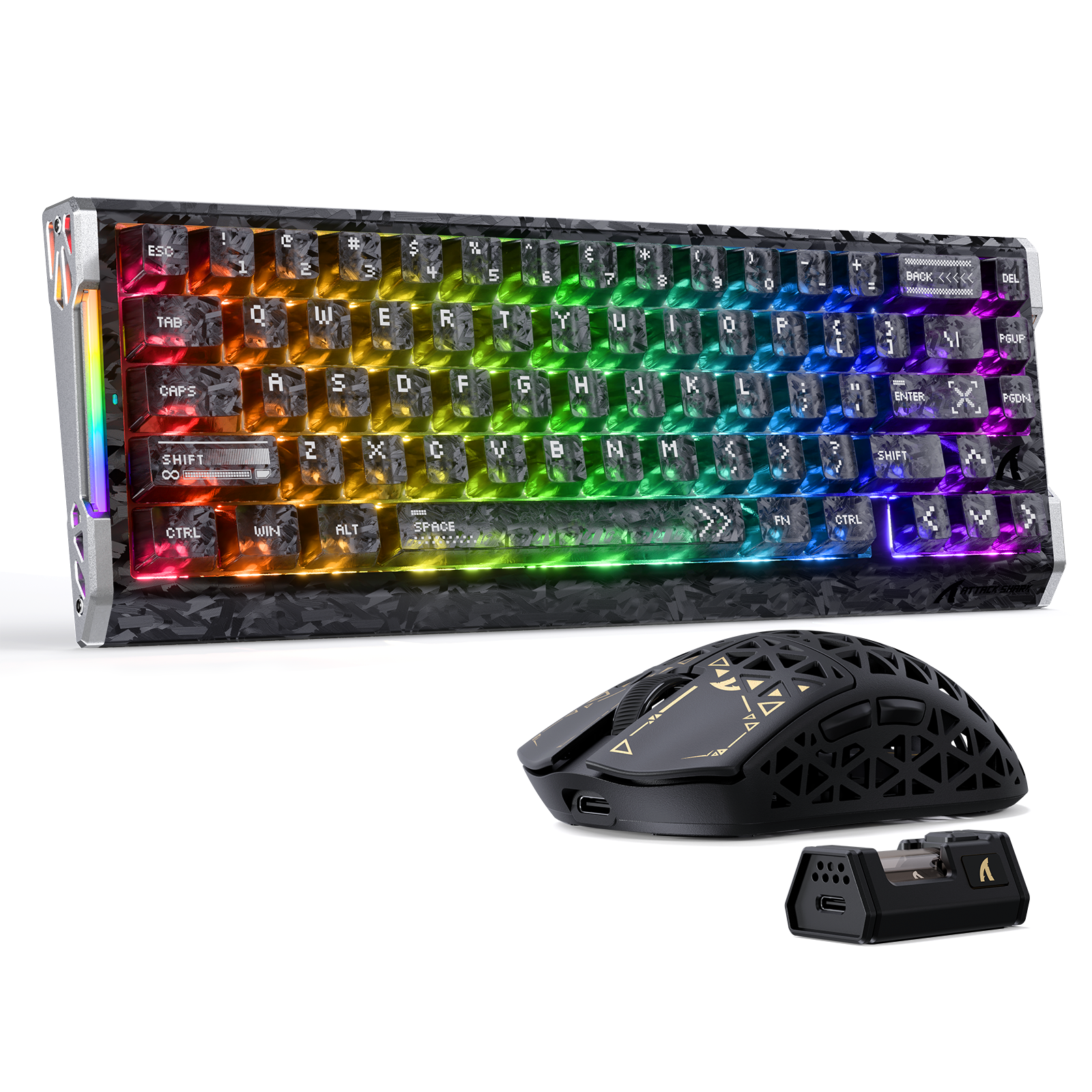
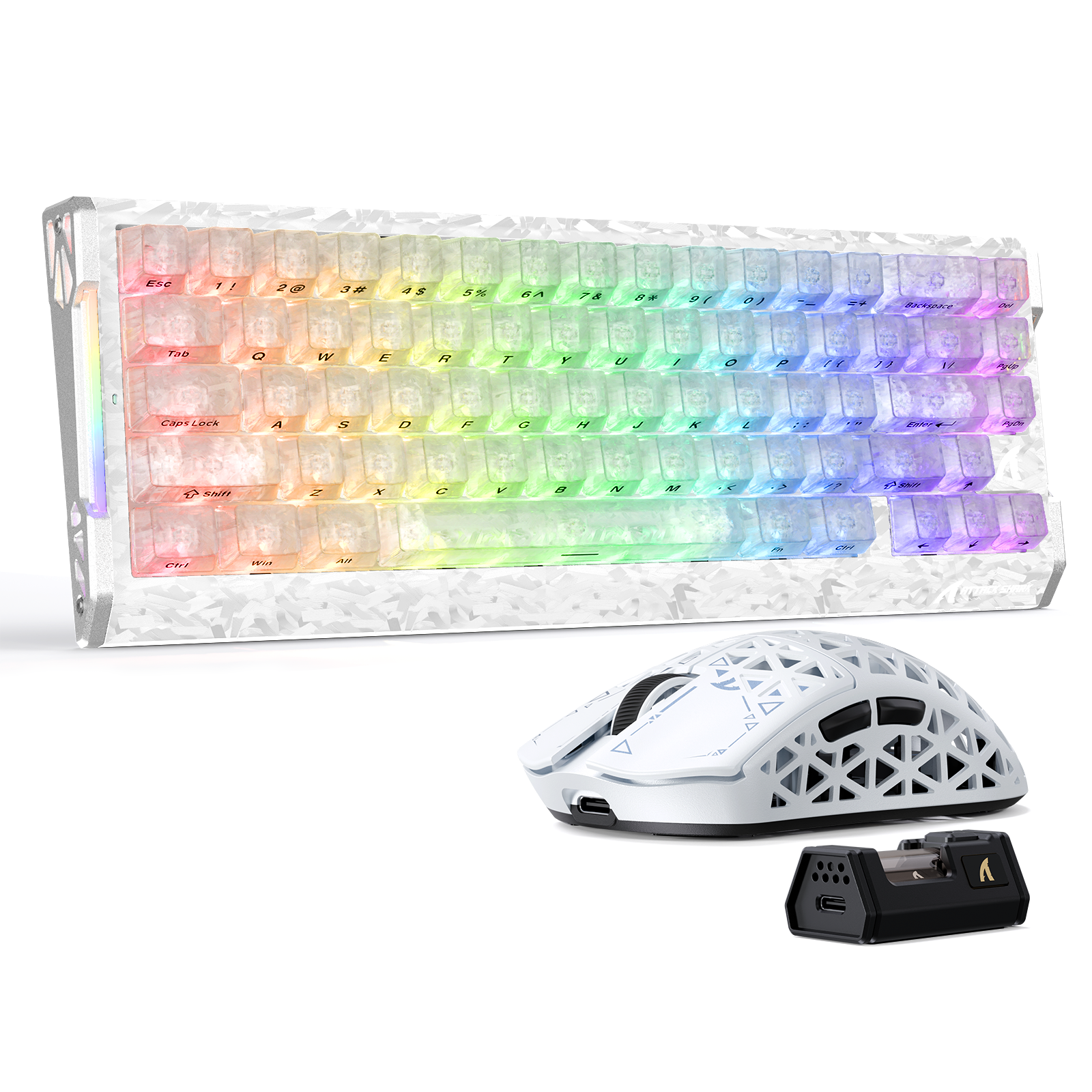
ATTACK SHARK R68 HE & X11 ULTRA Carbon Fiber Gaming Bundle
Sale priceFrom $246.00 Regular price$273.00
Up to 10%
Up to 10%
Up to 10%
ATTACK SHARK R68 HE & R5 ULTRA Carbon Fiber Gaming Bundle
Sale priceFrom $211.00 Regular price$234.00

Model Lineup and Use‑Case Guidance

Attack Shark’s HE collection spans around fifteen mechanical keyboard models grouped by layout, shell material, connectivity, and bundle options so buyers can match a board to their setup and budget. At a glance, you will find compact 60–65% layouts like the X65 and X68 lines, 75–82‑key boards such as the R68 HE and X82PRO, and value‑oriented or one‑handed options.

Compact 60–65% HE Boards

Models such as the ATTACK SHARK X65 HE Magnetic Switch Rapid Trigger Keyboard and X68 HE Rapid Trigger Keyboard Magnetic Switch focus on 60–65% layouts for more mouse space and cleaner desk aesthetics. These boards target players who prioritize minimal travel distance from WASD to the mouse and prefer streamlined keys without a numpad, which is common in FPS and competitive aim‑focused games.

Variants like the X65 HE with 8 kHz coiled cable or the X68 HE bundles that include C01PRO or C01Ultra RGB coiled cables combine performance with visually themed desk setups for users who care about cable feel and RGB presentation. Prices for these compact HE options in this collection typically list from roughly 59 to 80 USD before discounts, positioning them as mid‑range to upper‑mid gaming boards.

75–82‑Key HE Keyboards

For users who want a function row and more navigation keys, Attack Shark offers 75–82‑key HE models such as the R82 HE Rapid Trigger Keyboard Magnetic Switch with 0.005 mm RT, the R82 HE Wired 75% Gaming Keyboard with C01ULTRA LED Cable, and the X82PRO HE Wireless Rapid Trigger Gaming Keyboard Magnetic Switch. These boards keep the arrow cluster and function keys within easy reach while still preserving more mouse room than full‑size 104‑key layouts.

The X82PRO HE variants support tri‑mode connectivity (wired, 2.4 GHz wireless, and Bluetooth) according to Attack Shark’s broader keyboard range, letting users swap between gaming PCs, laptops, or work machines from one board. Shoppers who value wired‑only stability can instead look at the R82 HE wired models in this collection, which emphasize rapid trigger performance and dedicated LED cables over wireless flexibility.

Aluminum, Carbon Fiber, and Bundle Variants

Within the HE category, some boards differentiate via case material and finish, such as the X68MAX HE Rapid Trigger Aluminum Keyboard Magnetic Switch, which uses an aluminum housing for a more rigid feel compared to typical plastic shells. Other HE keyboards from Attack Shark’s broader lineup, like the R68 HE series highlighted on the homepage, add carbon‑fiber top cases and forged carbon‑fiber keycaps that emphasize low weight and a distinct aesthetic.

Bundle SKUs in this HE collection pair keyboards with RGB coiled cables (for example X68 HE with C01PRO cable or R82 HE with C01ULTRA LED cable) so buyers planning a themed setup can purchase a matched cable and board in one step. For users who only need a starter or side keyboard for macros, the wired one‑handed ATTACK SHARK X AJAZZ AK029 appears in this collection as a budget‑oriented option with a much lower entry price than full HE boards.

Buying Considerations for HE Gaming Keyboards

The main buying decisions across this HE lineup revolve around layout size, connectivity type, material feel, and how much weight you place on rapid‑trigger precision versus general typing comfort. Competitive FPS and rhythm‑game players commonly prioritize smaller layouts, aggressive rapid trigger settings, and 8000 Hz polling where supported, while users who split time between gaming and productivity often lean toward 75–82‑key boards with more shortcuts.

When to Choose Rapid Trigger HE over Traditional Mechanical

Rapid‑trigger he keyboard designs shine when you need keys to re‑actuate as soon as they move, instead of after a fixed reset distance, which benefits techniques like counter‑strafing or fast skill cycling. Unlike classic mechanical switches that close an electrical circuit at a single actuation point, HE boards monitor key travel continuously, letting firmware respond at tiny incremental movements in both downward and upward directions.

If you mostly play slower strategy, MMO, or casual titles, the difference between HE and standard mechanical keyboard technology may feel subtle, so factors such as build quality, key feel, and layout could matter more than absolute trigger speed. Users sensitive to accidental key presses might prefer slightly deeper actuation settings on HE boards, and should spend time in software adjusting thresholds and testing in‑game to balance speed with control.

Latency, Polling Rate, and Real‑World Impact

Attack Shark advertises values like 8000 Hz polling and around 0.08 ms hardware latency on products such as the R68 HE and R85 HE, aligning with the broader high‑end gaming keyboard market. Independent reviews across the industry generally find that while high polling can shave small amounts of delay, the overall feel also depends on system performance, display latency, and game engine input handling.

For most players on typical 144–240 Hz monitors, moving from 1000 Hz to 8000 Hz will likely feel incremental rather than dramatic, though very competitive users may still appreciate the tighter response window and smoother cursor and movement updates. Where these HE boards may provide more noticeable change is in rapid trigger behavior and analog sensing, because those features alter how quickly and consistently your key inputs register during repeated presses.

FAQ

What is 8000 Hz Polling Rate?

Polling rate is how often your mouse reports its position to the computer. 8000 Hz means it reports 8,000 times per second—8x more frequently than the standard 1000 Hz. This results in the lowest possible input lag.

How is it better than the standard 1000 Hz?

By sending 8x more data, an 8000 Hz mouse drastically reduces the delay between your physical movement and the cursor's reaction on-screen. The typical latency drops from 1ms (on a 1000 Hz mouse) to just 0.125ms.

Will an 8000Hz keyboard improve my gaming performance?

An 8000Hz keyboard's reduced latency can give pro gamers a noticeable advantage, especially in games that involve rapid movement where milliseconds count.

Are these keyboards good for everyday typing or just gaming?

While optimized for gaming, the responsiveness of our 8000Hz keyboards also provides a very fluid and precise typing experience for everyday use.

Will I actually notice the difference?

Yes, especially if you have a high-refresh-rate monitor (144Hz or higher). The higher your monitor's refresh rate, the more you will see and feel the benefit of the ultra-smooth tracking provided by an 8000 Hz polling rate.

Do I need a high-refresh-rate monitor?

To see the full visual benefit of smoother motion, yes. An 8000 Hz mouse on a 240Hz or 360Hz monitor is the gold standard for competitive gaming, as the monitor can display the extra frames of data the mouse provides.

Will 8000 Hz use more of my PC's CPU power?

It uses slightly more CPU resources than a 1000 Hz mouse. However, most modern gaming PCs can handle it without any impact on performance. It's a small price to pay for a significant competitive advantage.

Is there special software needed to use the 8000Hz polling rate?

No, the 8000Hz polling rate is typically plug-and-play. There are perhaps some models with optional software to change things like macros or RGB lighting.